sqPaTHQw

Flat Rack vs Breakbulk: Choosing the Right Transport Method

When shipping oversized or out-of-gauge cargo, one of the first decisions is whether the shipment should travel on a flat rack container or as breakbulk cargo. The correct choice can influence cost, transit time, handling requirements and overall project efficiency.

At DC Global Freight, we assess every shipment individually. The cargo dimensions, weight, lifting requirements, destination and available vessel services all play a role in determining the most suitable transport solution.

What is a Flat Rack Container?

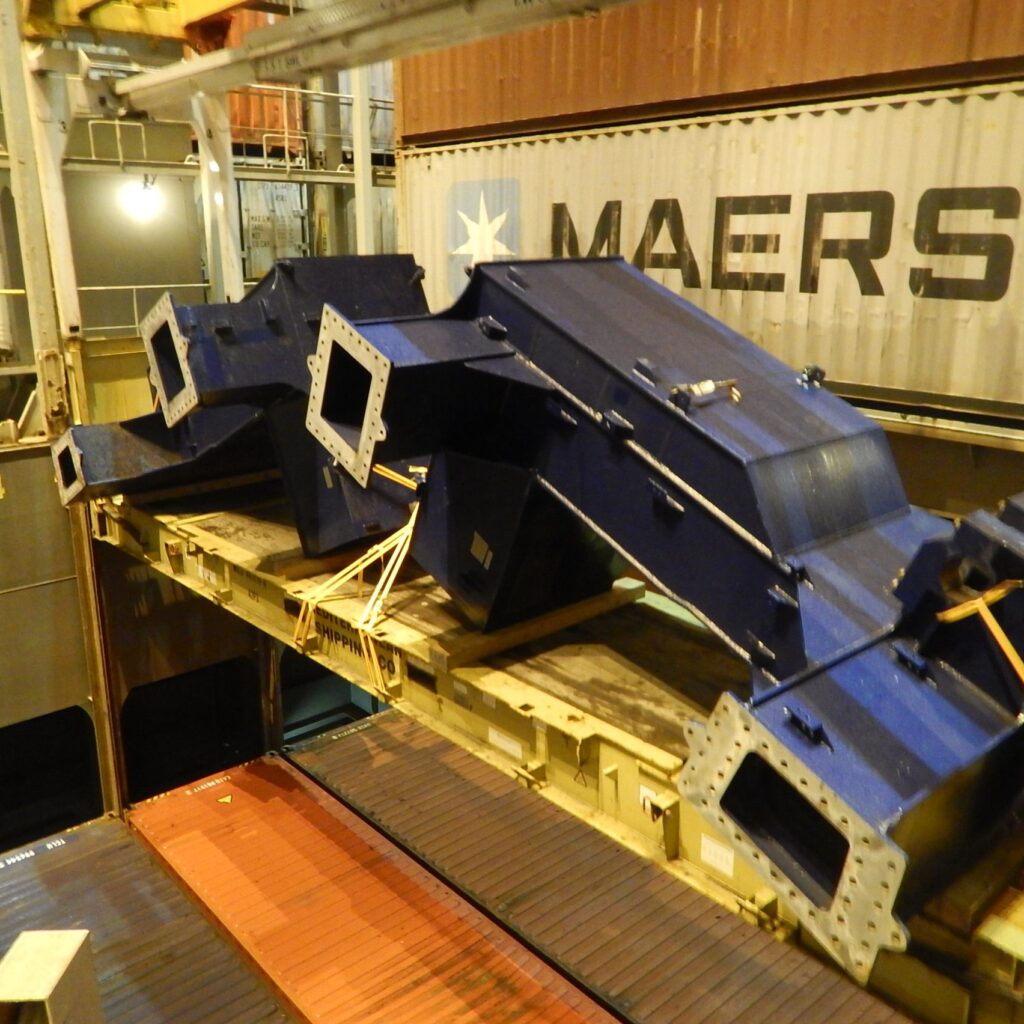
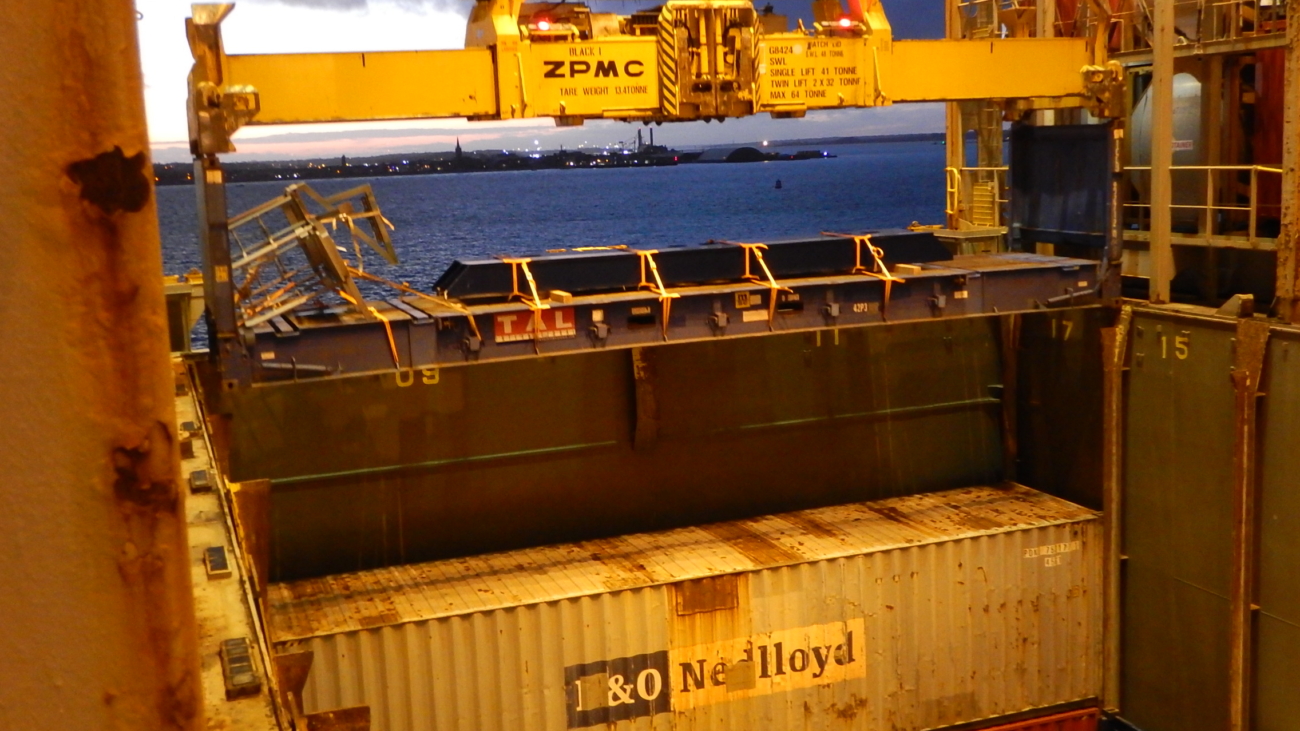
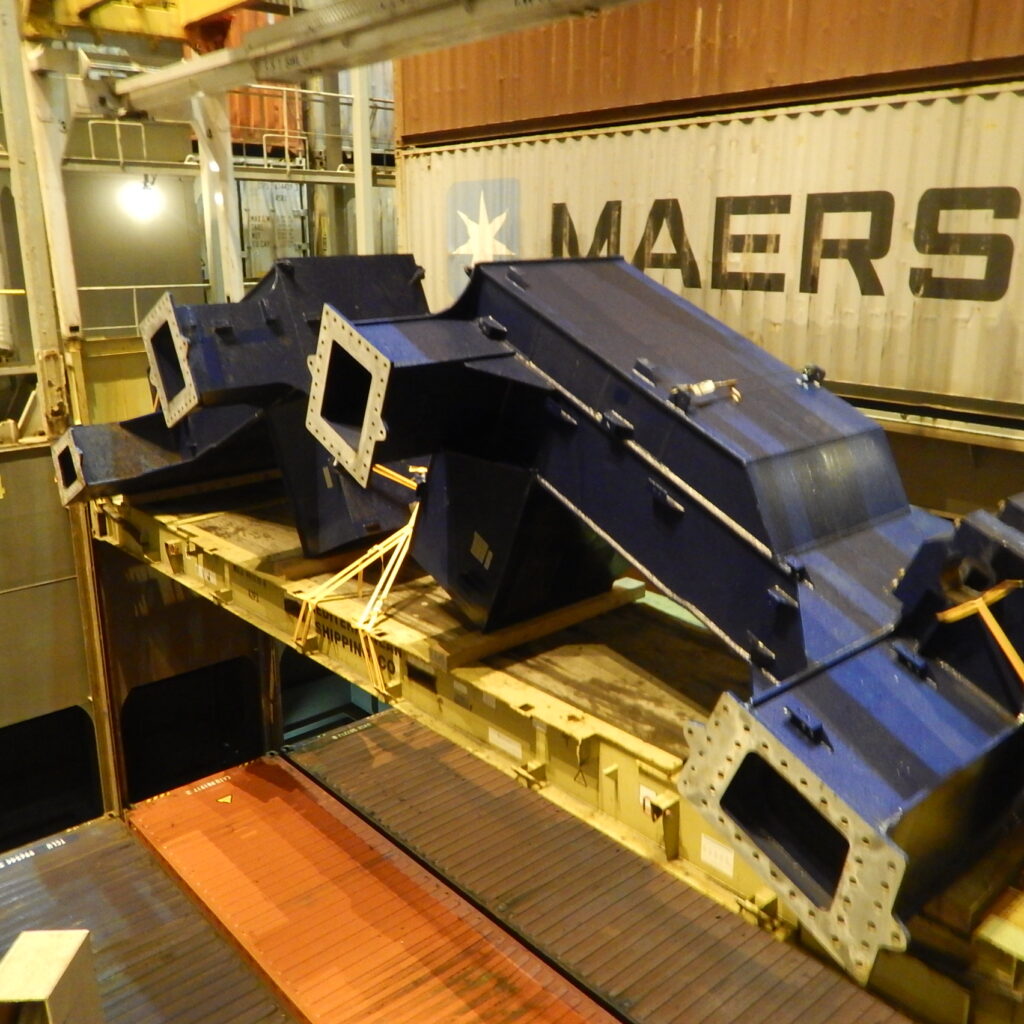
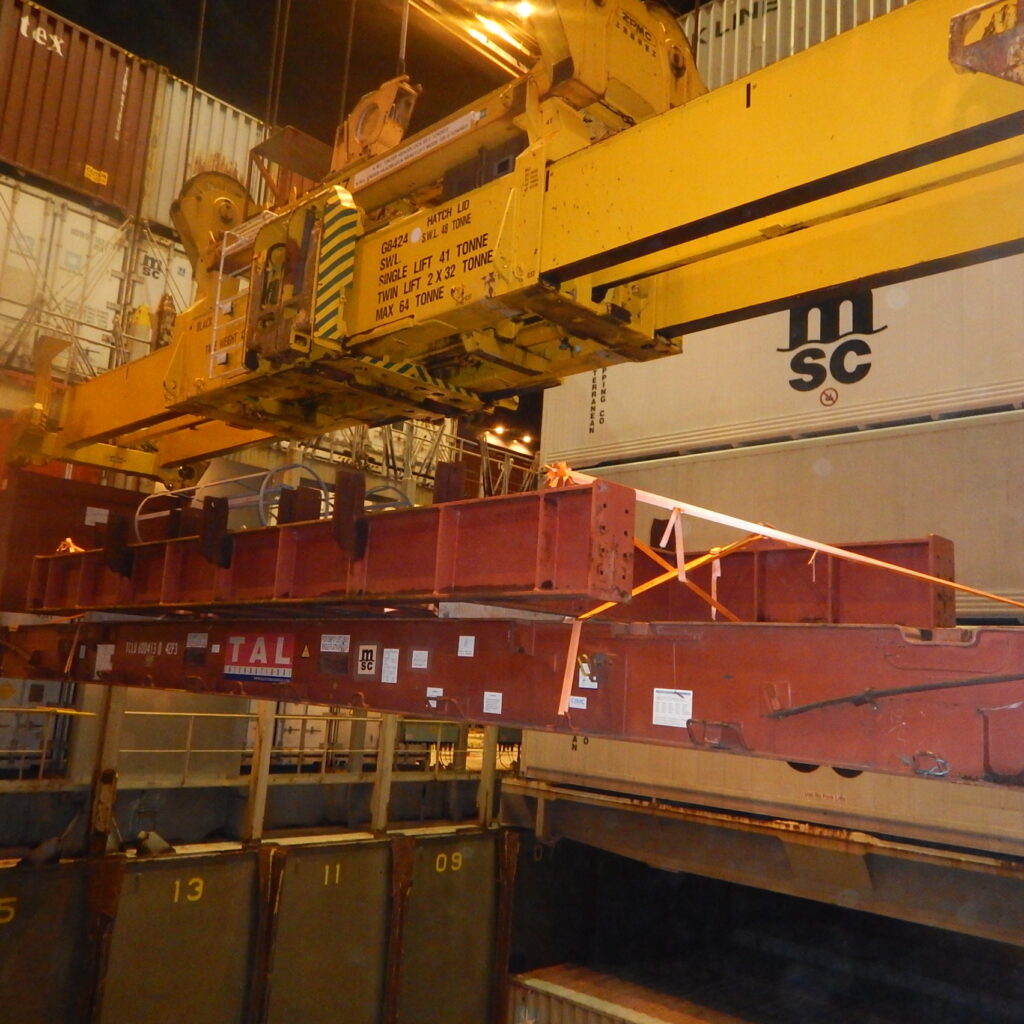
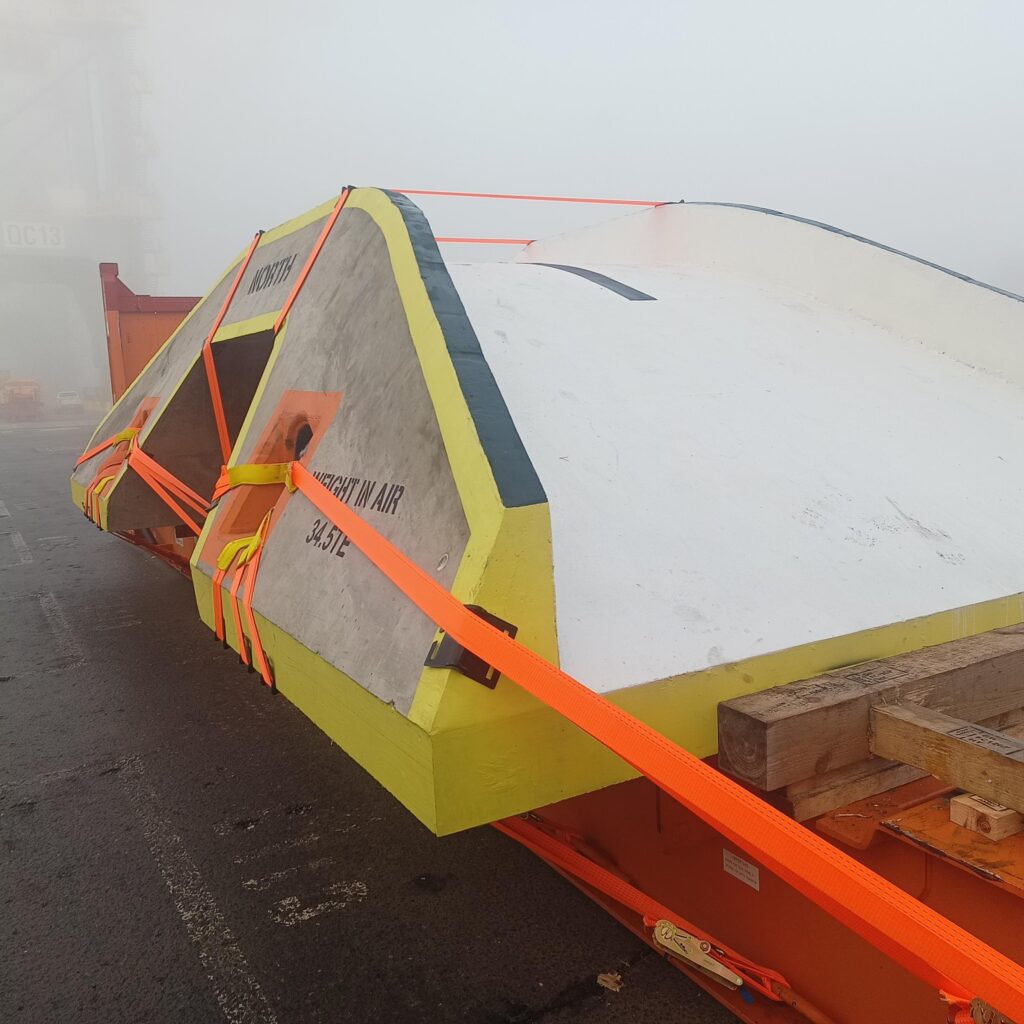
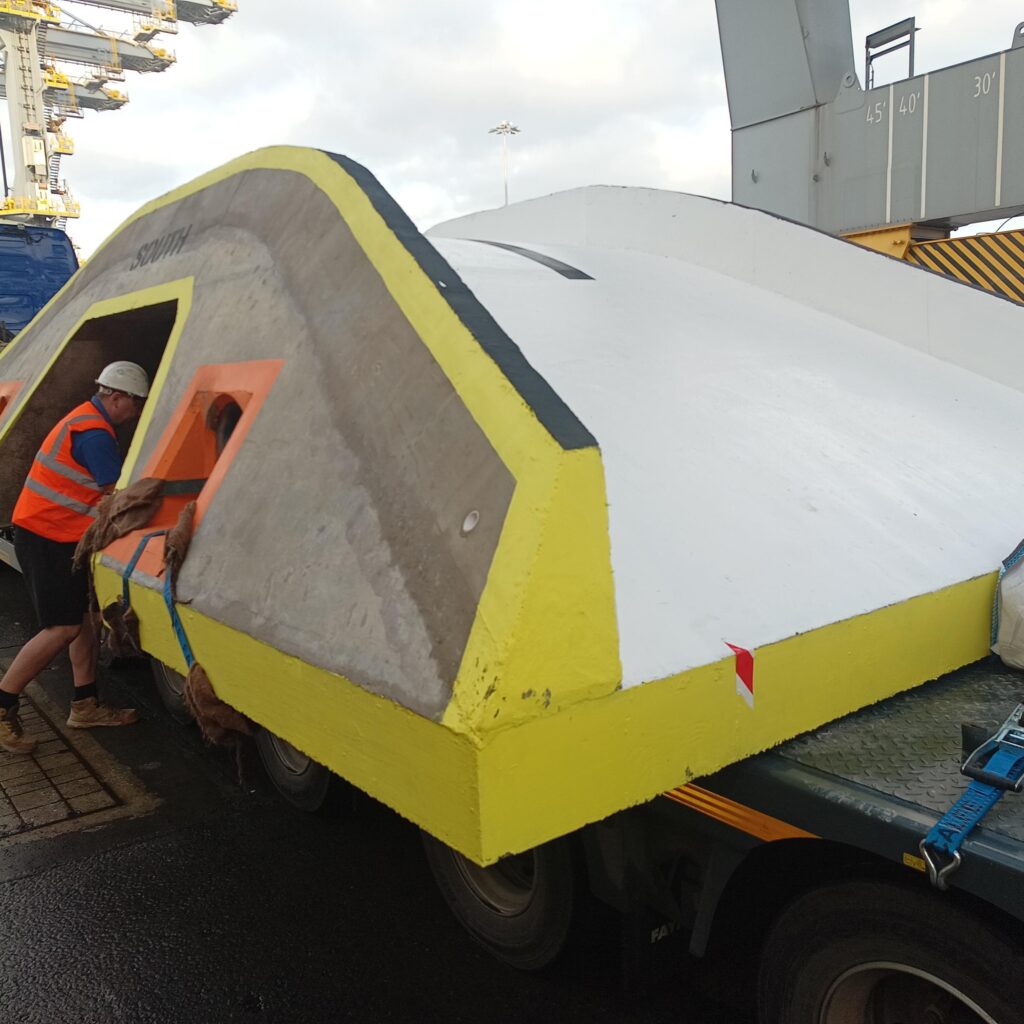
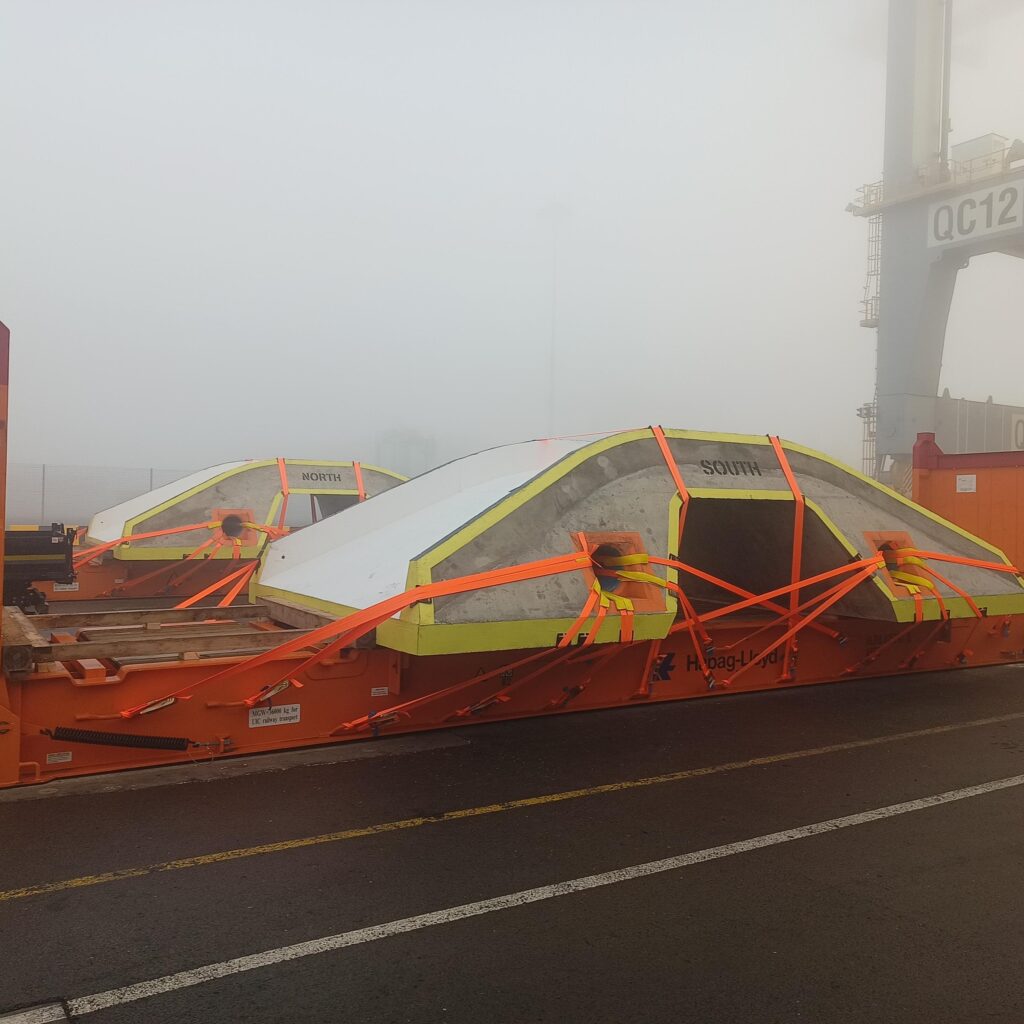
A flat rack is a specialist shipping container with no side walls and, in most cases, collapsible end walls. It allows cargo to overhang the sides or ends where shipping line approvals permit, making it ideal for machinery and equipment that cannot fit inside a conventional container.

Typical flat rack cargo includes:
• Generators
• Industrial machinery
• Steel fabrications
• Construction equipment
• Large pumps and compressors

What is Breakbulk Shipping?

Breakbulk shipping involves loading individual cargo items directly onto the vessel rather than inside a container. Cargo is lifted using cranes and secured within the vessel’s cargo holds or on deck.

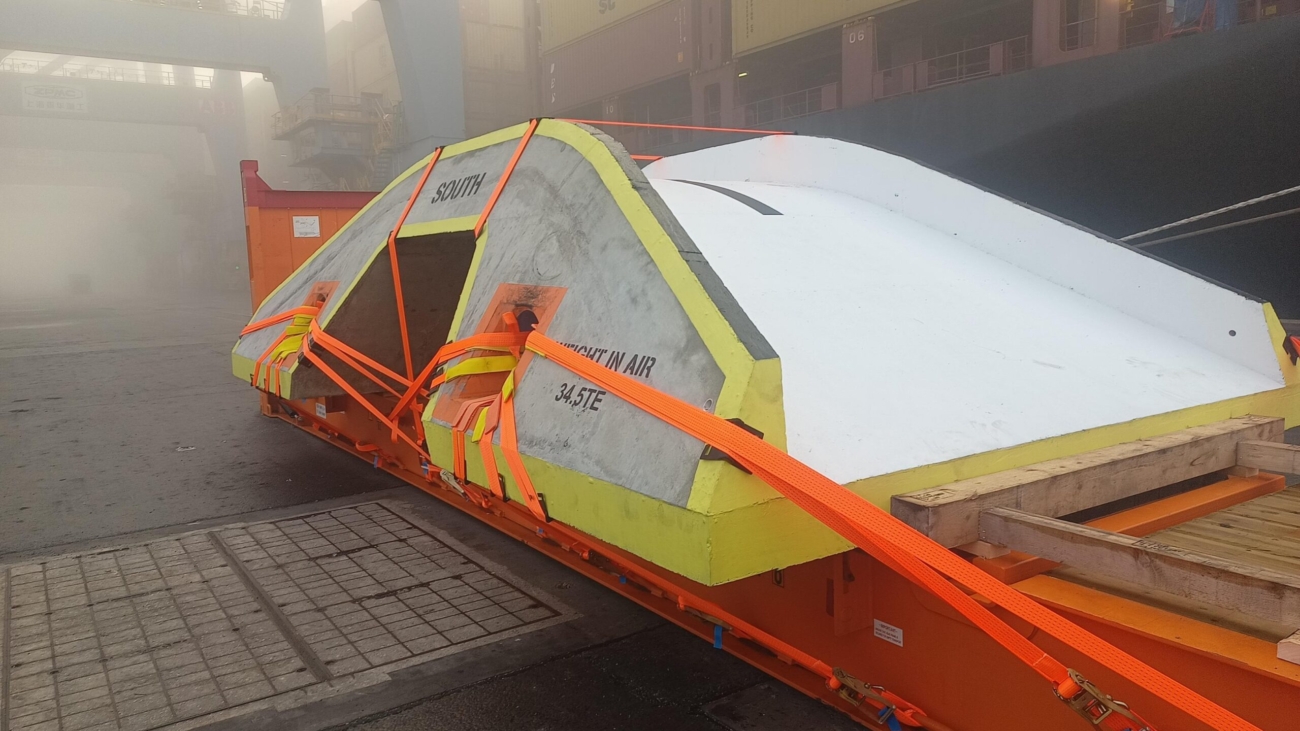
Breakbulk is often the preferred solution for exceptionally large, heavy or awkward cargo that exceeds flat rack limitations or where specialist heavy-lift vessels are required.

Flat Rack vs Breakbulk

Flat Rack Advantages:
• Available on many scheduled container services
• Often shorter transit times
• Suitable for many out-of-gauge shipments
• Simplified port handling

Breakbulk Advantages:
• Accommodates larger and heavier cargo
• Suitable for cargo with extreme dimensions
• Ideal for complete industrial projects
• Can utilise specialist heavy-lift vessels

How We Select the Right Option

Before recommending a transport method, we review cargo dimensions, gross weight, lifting points, centre of gravity, loading arrangements, discharge facilities and destination access. We also consider the availability of shipping services and the overall project schedule to ensure the chosen solution is practical as well as commercially competitive.

From Our Experience

No two project cargo shipments are identical. We’ve found that selecting the right equipment at the planning stage often prevents unnecessary handling, reduces transport costs and avoids delays during loading or discharge. Early collaboration with customers and suppliers consistently produces better project outcomes.

Lessons from the Field

The cheapest freight option is not always the most economical. Additional lifting costs, port handling, storage or road transport restrictions can quickly outweigh an initial saving on ocean freight. Looking at the complete logistics chain provides a much clearer picture of total project cost.

Why Choose DC Global Freight

DC Global Freight manages flat rack, breakbulk, heavy lift and project cargo shipments worldwide. From specialist haulage and port operations through to customs clearance and final delivery, we coordinate every stage to ensure cargo moves safely and efficiently.

Frequently Asked Questions

Can oversized cargo always travel on a flat rack?
No. Extremely large or heavy cargo may require breakbulk shipping.

Is breakbulk more expensive?
Not necessarily. For very large cargo it can be the most practical and cost-effective solution.

Who decides which method is used?
Your freight forwarder will assess the cargo and recommend the most suitable transport option based on technical and commercial considerations.

Can DC Global Freight arrange both?
Yes. We provide flat rack, breakbulk and complete project cargo solutions.

Internal Links

• What Is Project Cargo?
• How to Ship Out-of-Gauge Cargo
• Sea Freight
• Customs Clearance
• Shipping from the UK to South Africa

About DC Global Freight

DC Global Freight specialises in project logistics, out-of-gauge cargo, heavy lift transport and multimodal freight solutions. We help manufacturers, engineering companies and industrial clients move complex cargo safely across international supply chains.


Need advice on whether your cargo should move by flat rack or breakbulk? Contact DC Global Freight for practical guidance and a tailored logistics solution designed around your shipment.
HERO_IMG_1669

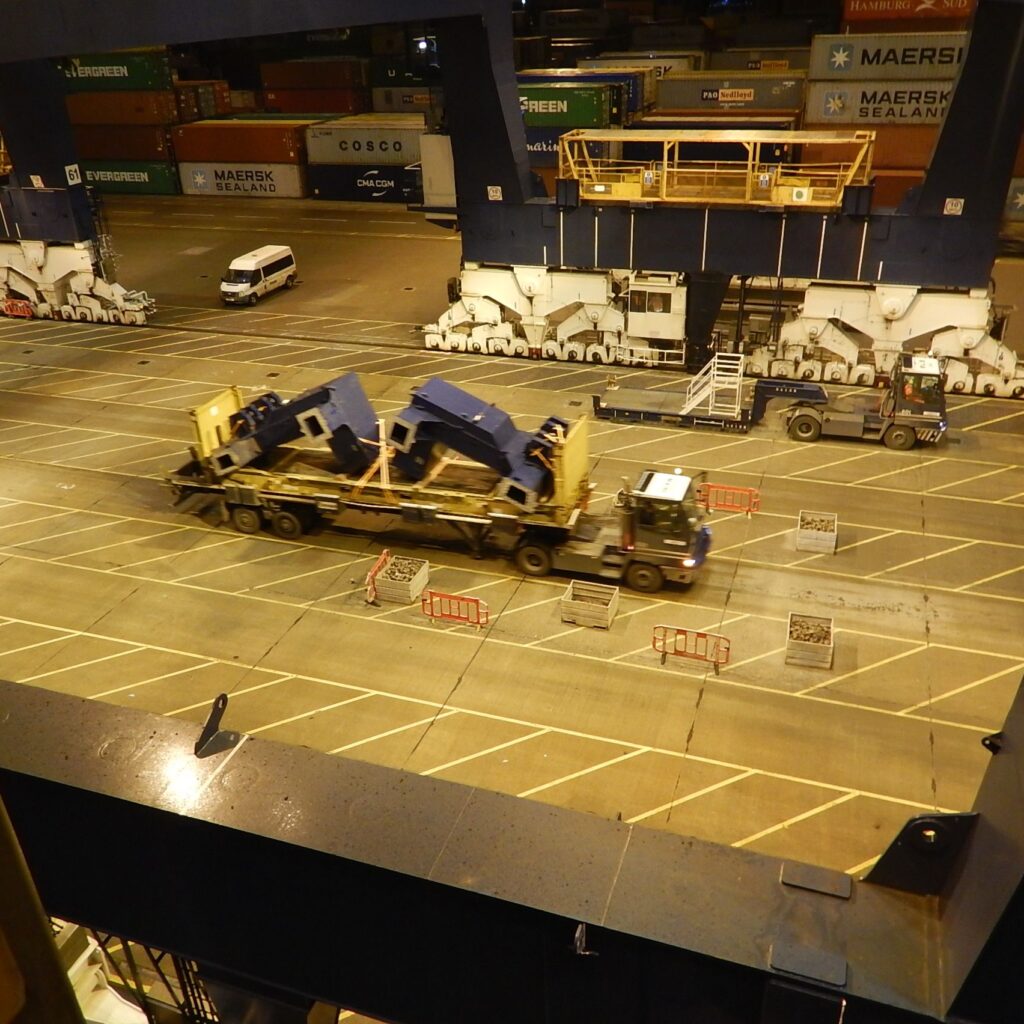
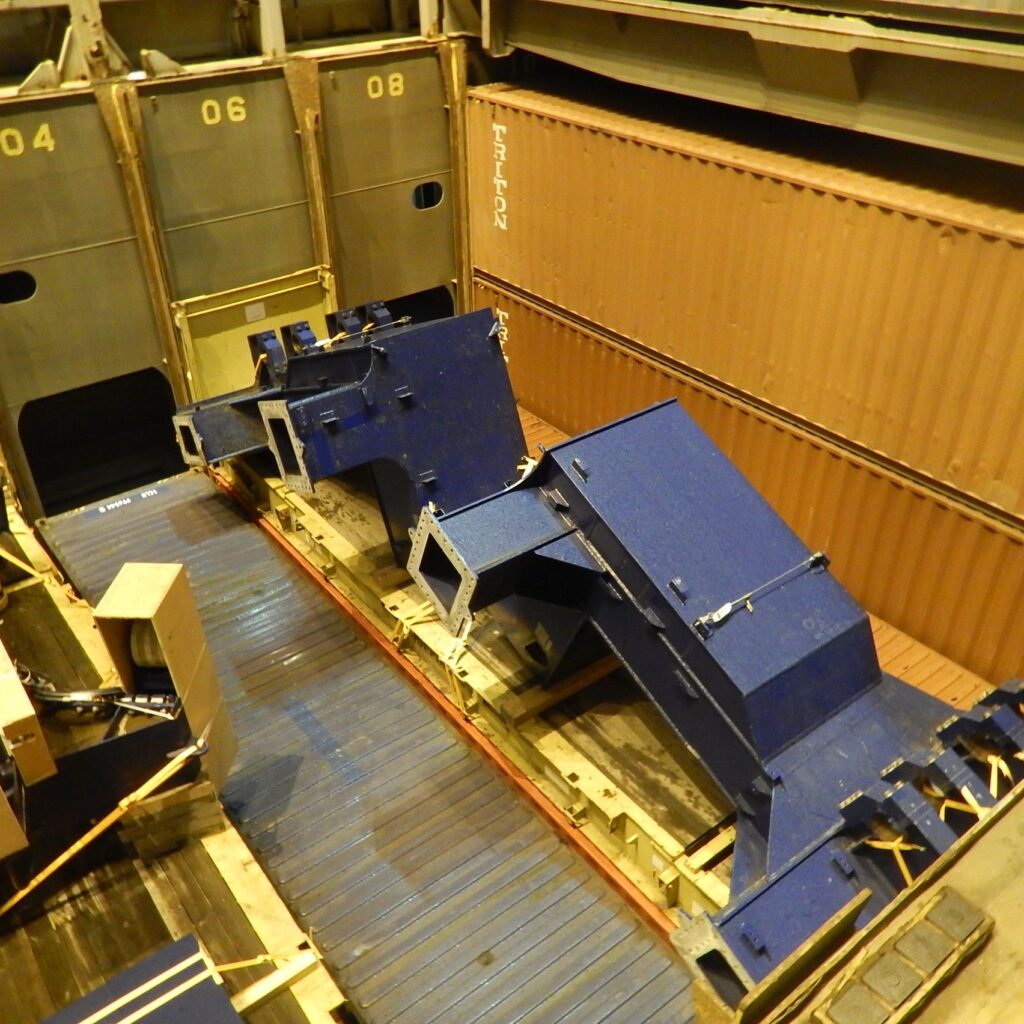
Offshore Vessel Direct Discharge Operation – Canada to UK

Shipment Overview

Transport From:
Sheet Harbour

Port of Loading:
Halifax

Port of Discharge:
Liverpool

Final Deliveries:
Aberdeen & Great Yarmouth

Freight Modes:
Sea Freight | Project Cargo | Road Transport

Equipment Used:
– 14 x 40ft Mafi Trailers
– 24 Lifts
– 155 Tons
– 650 CBM

Project Type:
Offshore Vessel Discharge and Specialist UK Transport Coordination

The Challenge

The project required the coordination of offshore cargo discharge operations combined with immediate onward transportation to multiple UK delivery points.

Due to the cargo volume, operational timing, and specialist handling requirements, detailed planning was required to minimise delays, reduce handling risks, and ensure efficient discharge directly from the offshore vessel onto awaiting transport equipment.

The Solution

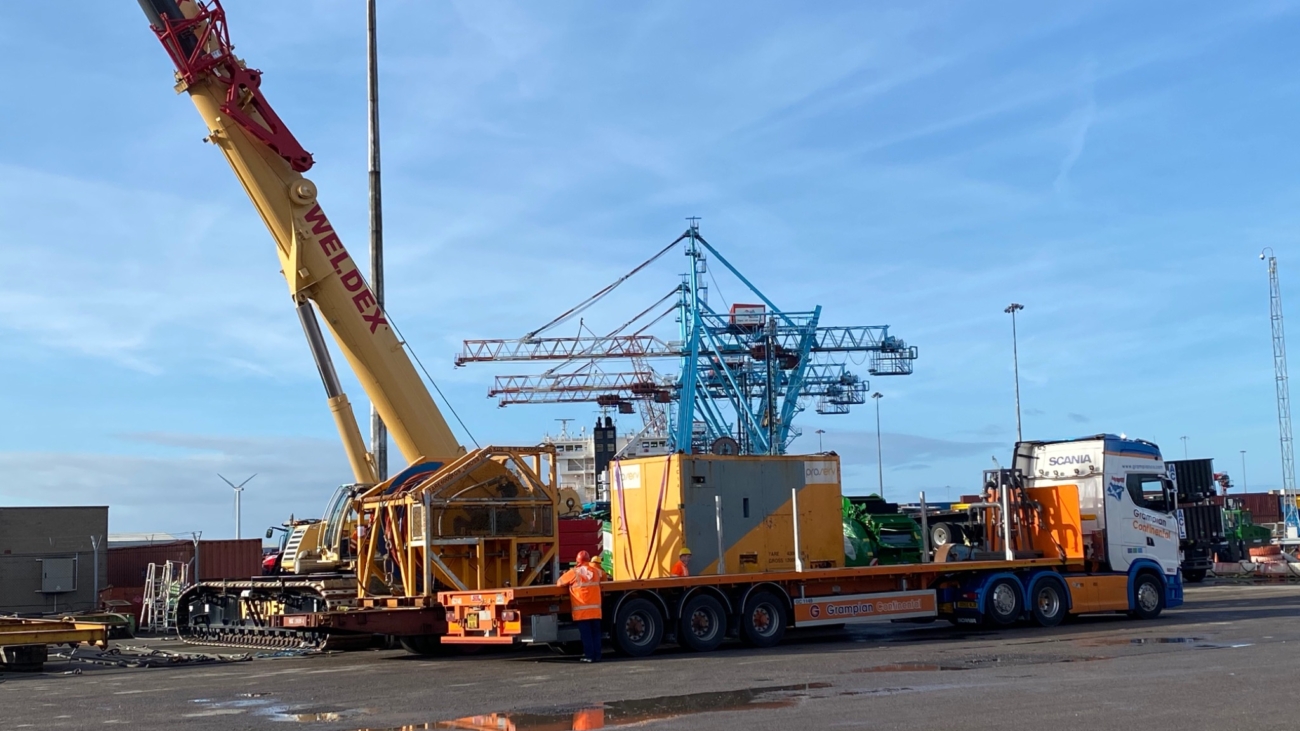
DC Global Freight coordinated the direct discharge operation from the offshore vessel at Liverpool using 14 Mafi trailers positioned and prepared in advance for immediate cargo transfer.

By utilising the vessel’s own gear and labour during the discharge process, the project significantly reduced crane hire requirements and associated labour costs while maintaining operational efficiency.

The cargo was then expedited to final delivery points in Aberdeen and Great Yarmouth exactly as strategically planned.

Execution

The operation involved:
– Offshore vessel discharge coordination
– Mafi trailer planning and positioning
– Direct cargo transfer operations
– UK transport coordination
– Weekend discharge operations
– Multi-location delivery management
– Dedicated operational attendance at loading and discharge points
– Expedited shipment planning

DC Global Freight personnel attended both loading and discharge locations to ensure complete operational oversight throughout the shipment process.

The Outcome

The shipment was successfully discharged and transported according to the planned operational schedule without delays.

The direct discharge strategy enabled:
– Faster cargo handling
– Reduced crane hire costs
– Lower labour costs
– Immediate onward transportation
– Improved operational efficiency

The project demonstrated DC Global Freight’s ability to manage specialist offshore and project cargo operations using strategically planned logistics solutions.

Key Project Facts

– 14 x 40ft Mafi trailers utilised
– 24 specialist lifts coordinated
– 155 tons cargo handled
– 650 CBM cargo volume
– Weekend direct discharge operation
– Immediate onward UK transportation
– Reduced crane hire and labour costs

Recommended Website Tags

– Offshore Logistics
– Oil & Gas
– Project Cargo
– Sea Freight
– Heavy Cargo
– Specialist Transport
– UK Distribution

01_HERO_Night_Convoy

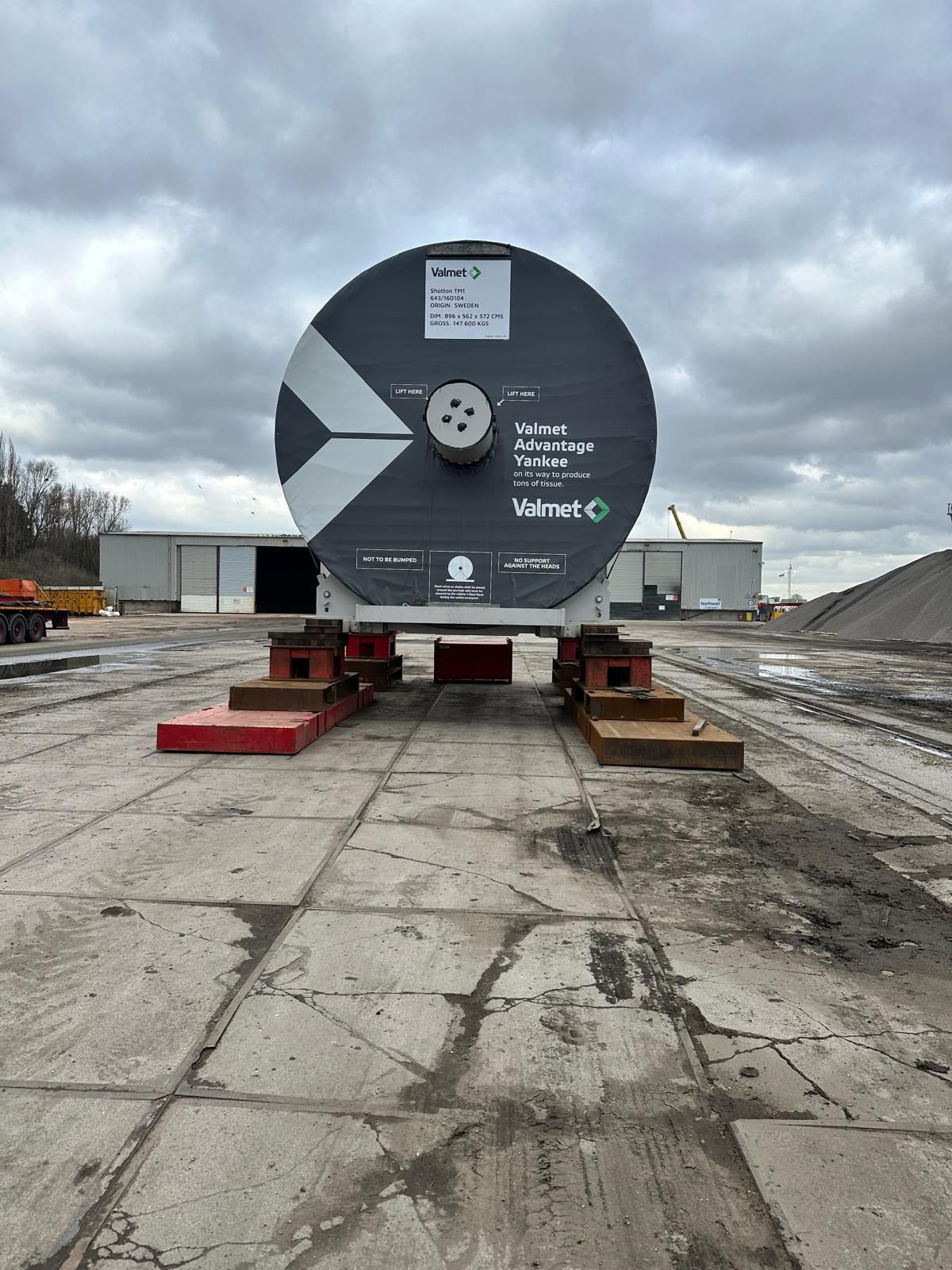
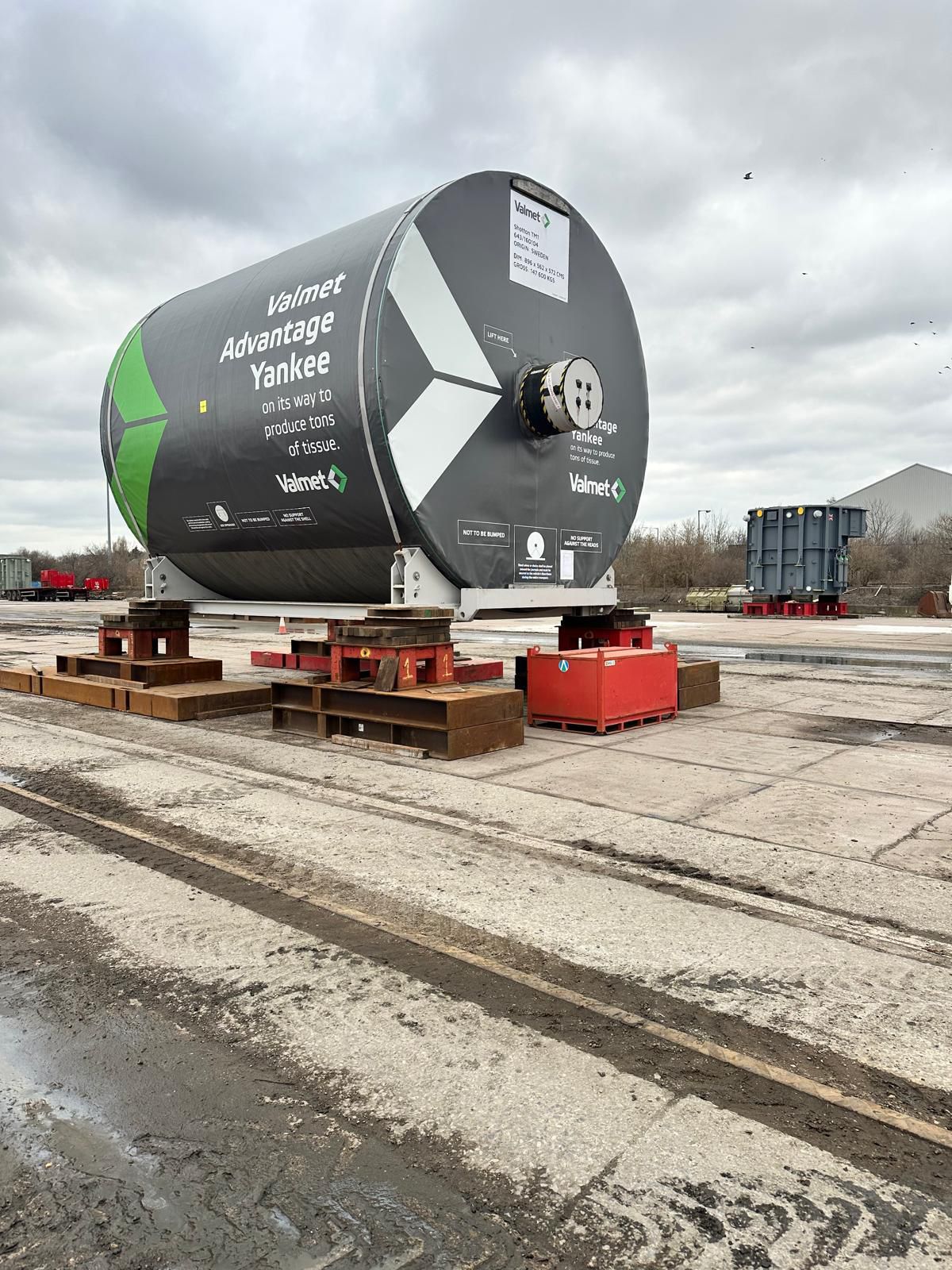
Yankee Dryer Heavy Lift

Shipment Overview

Delivery Location:
Shotton Mill

Freight Modes:
Heavy Lift Road Transport | Project Cargo

Cargo:
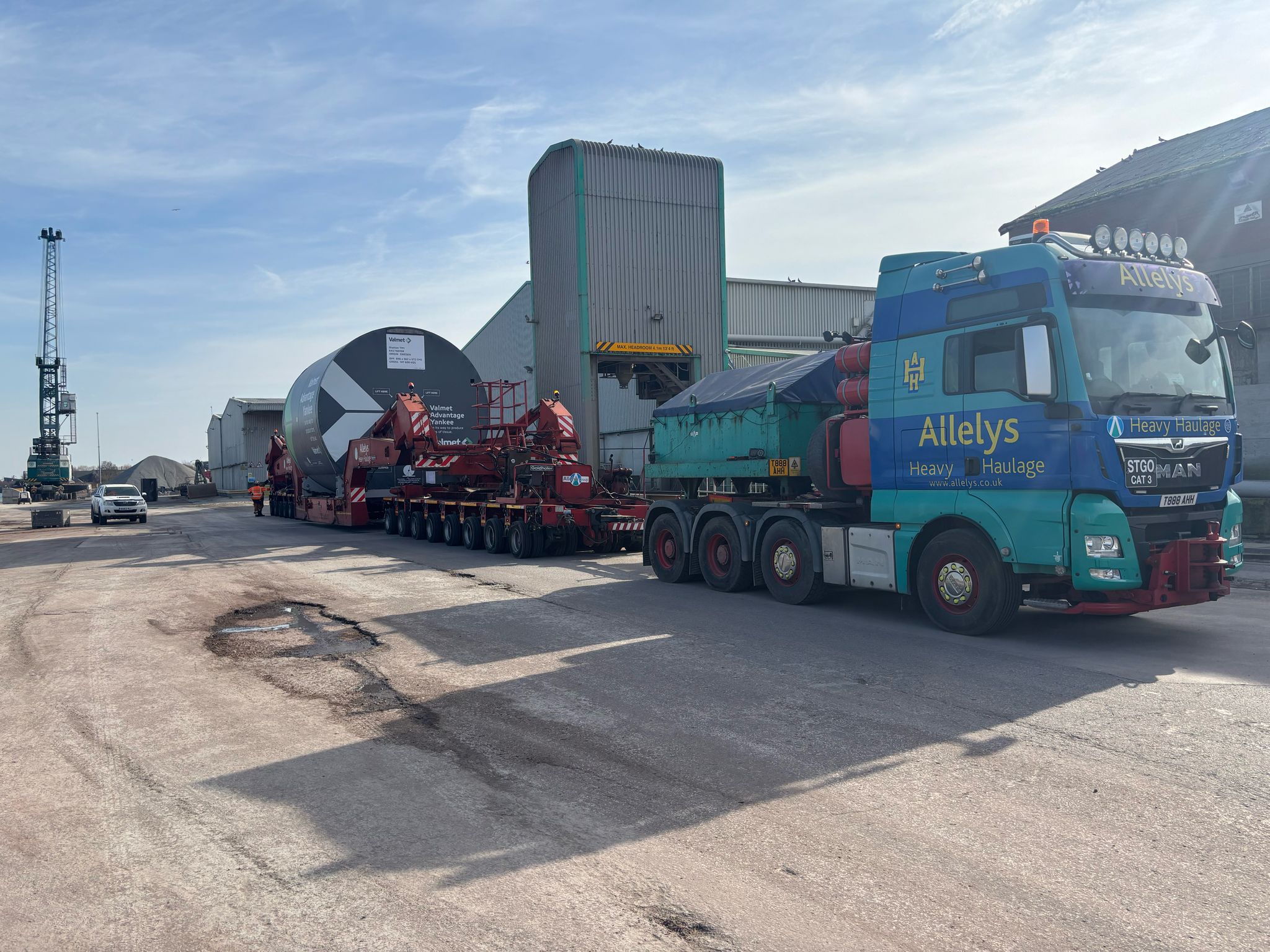
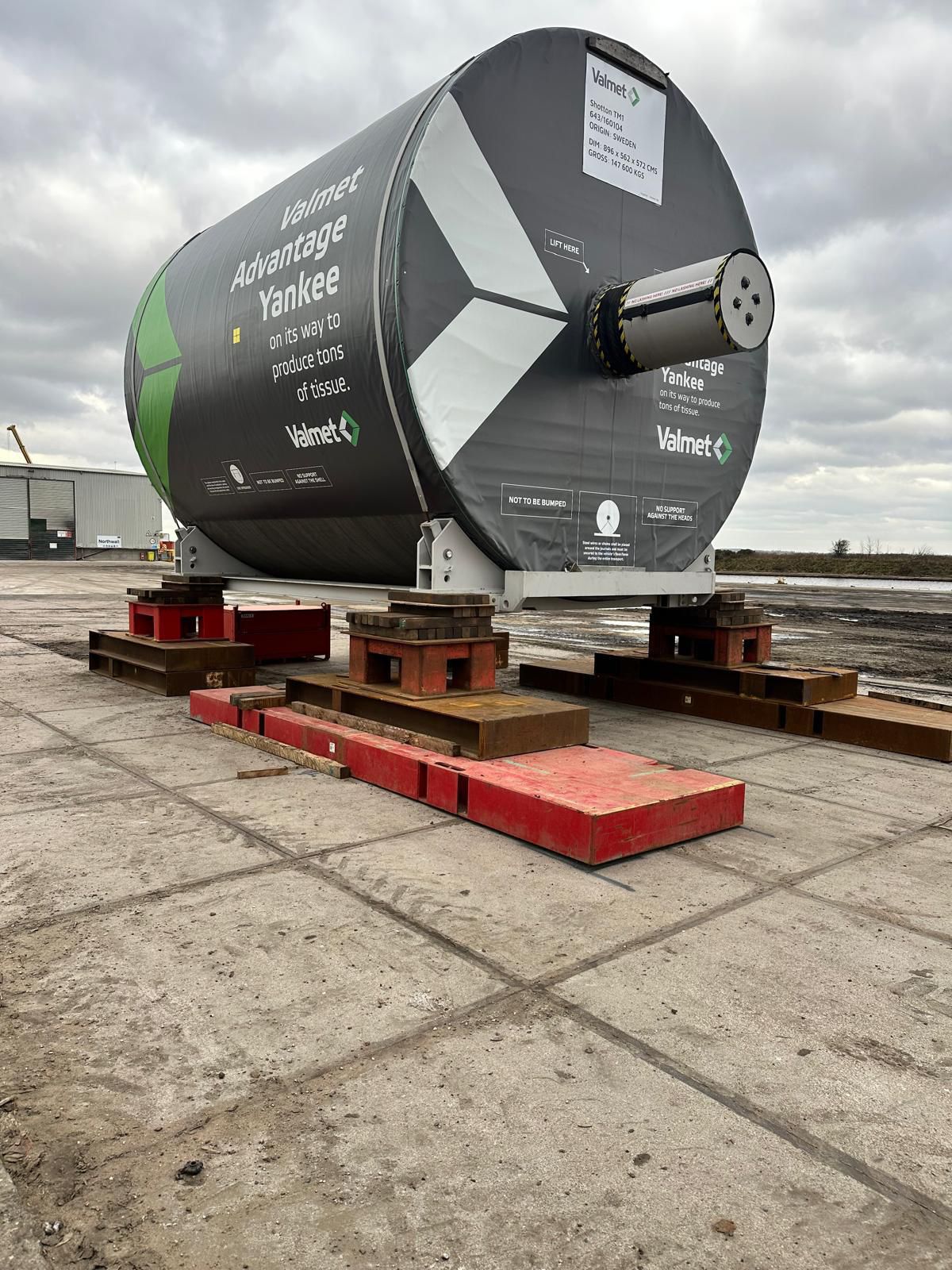
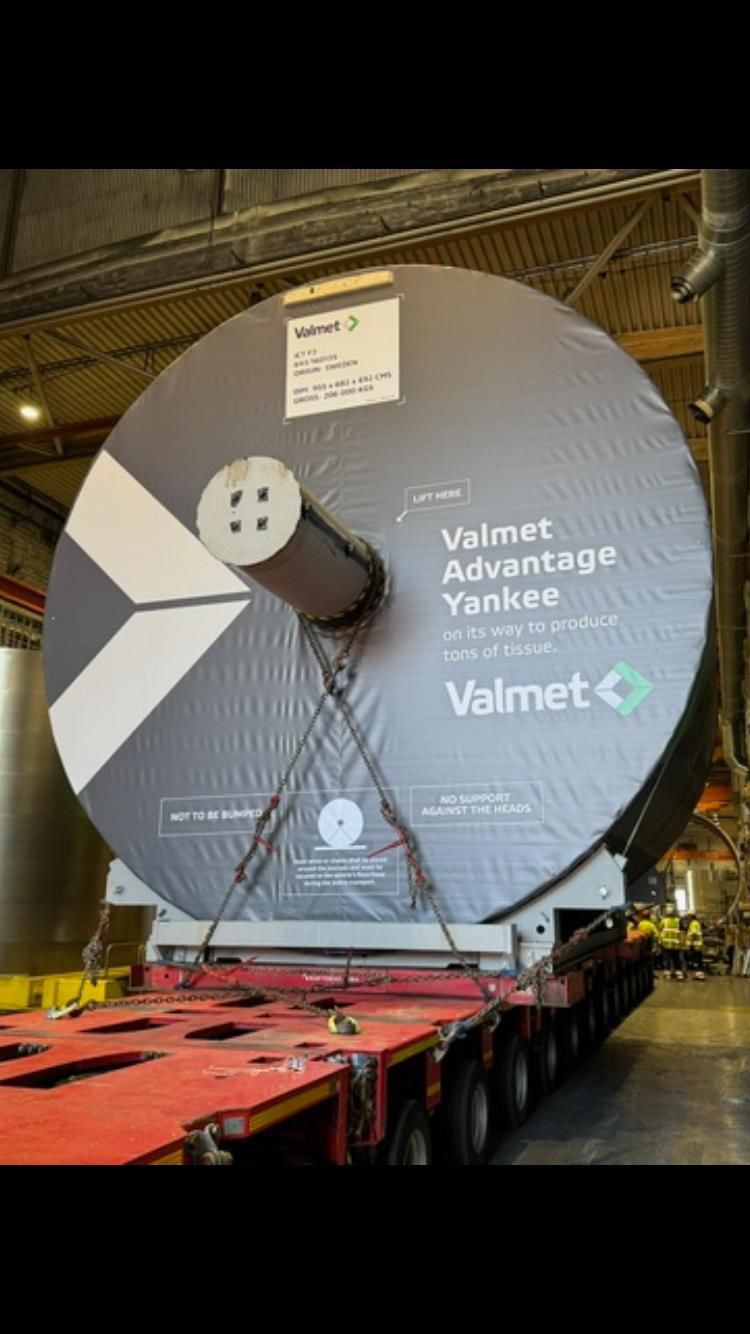
147.6Te Yankee Dryer

Specialist Equipment:
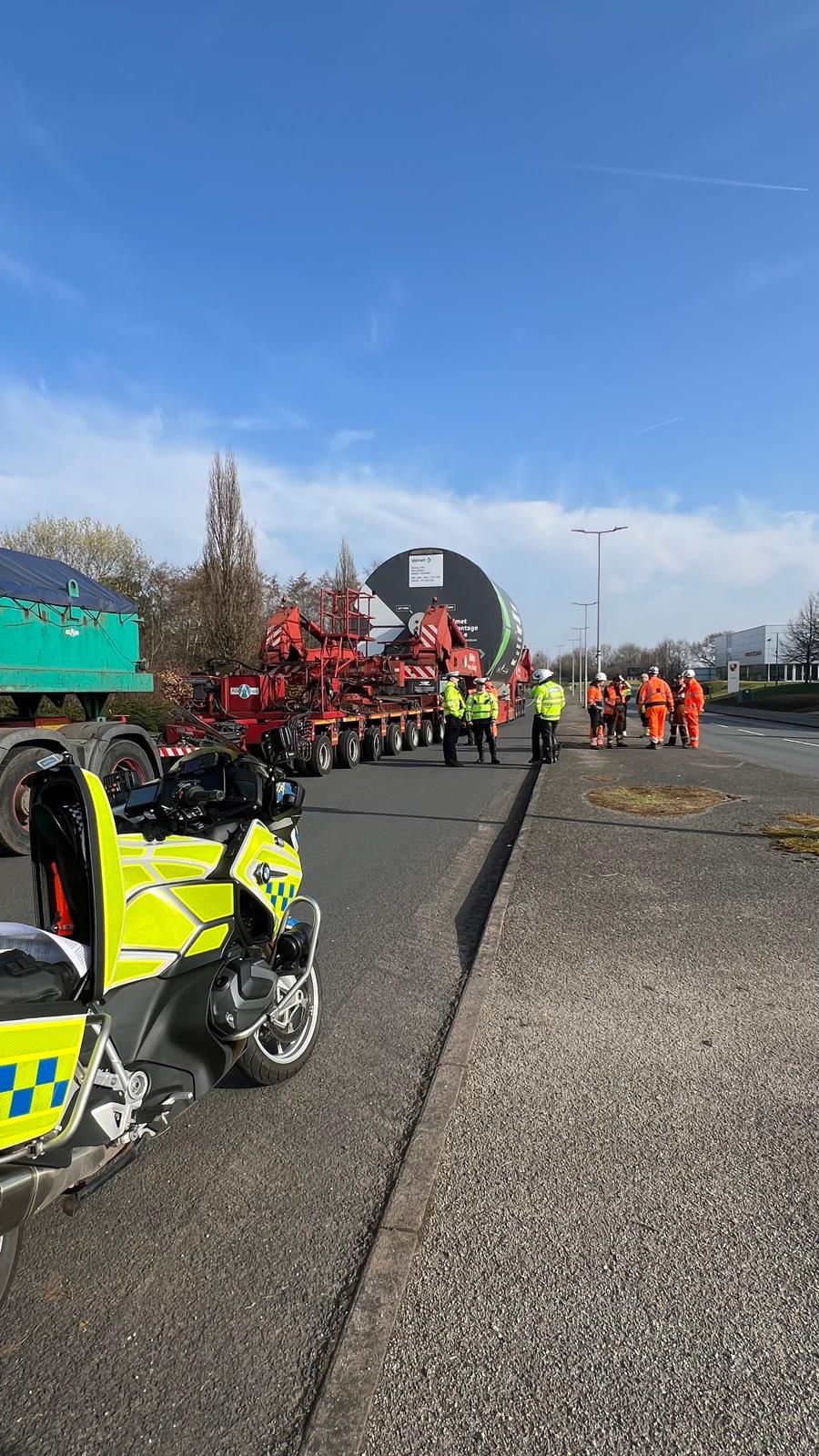
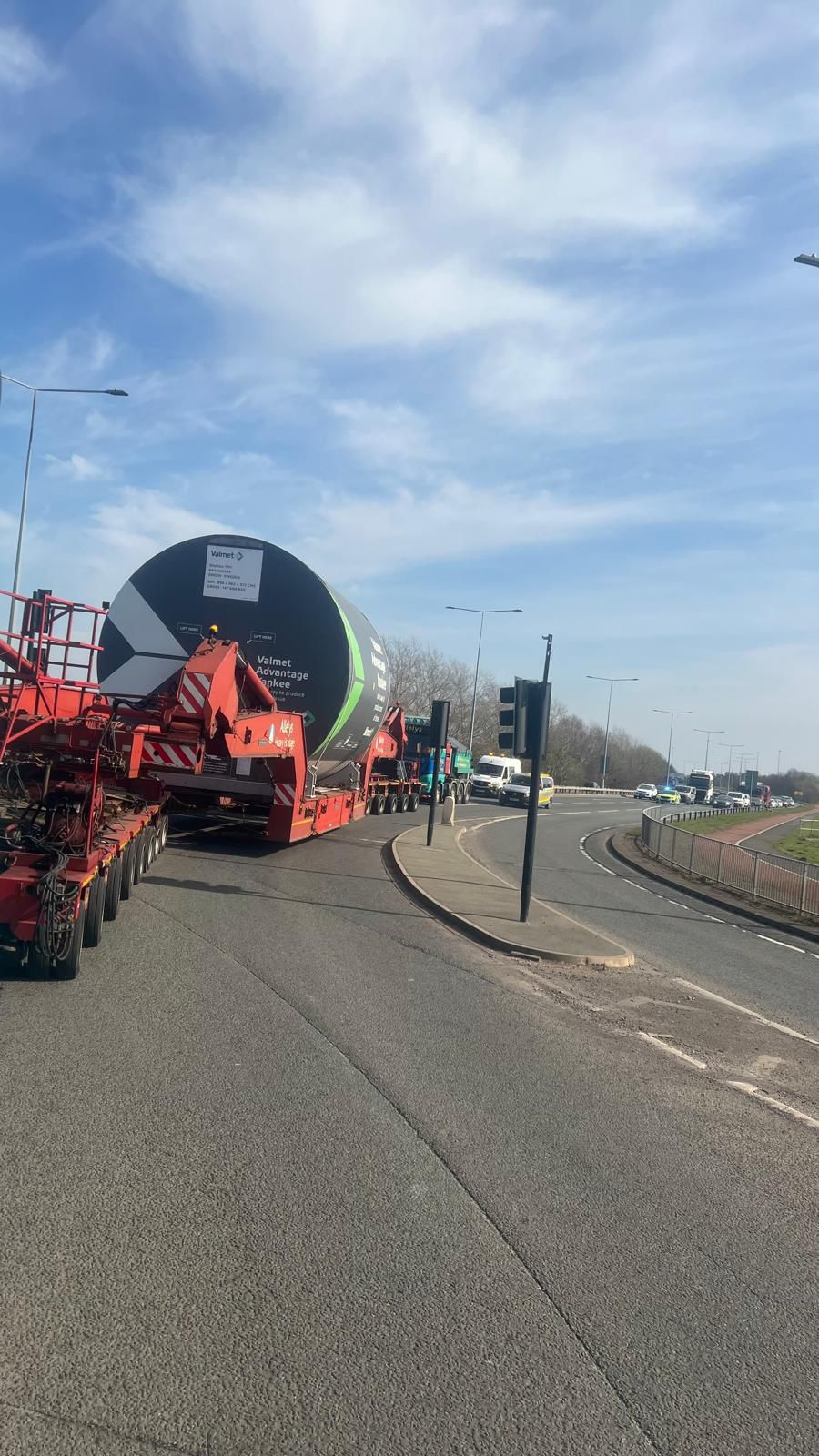
16 Axle Girder Frame Trailer

Project Type:
Heavy Lift Industrial Cargo Delivery and Site Positioning

The Challenge

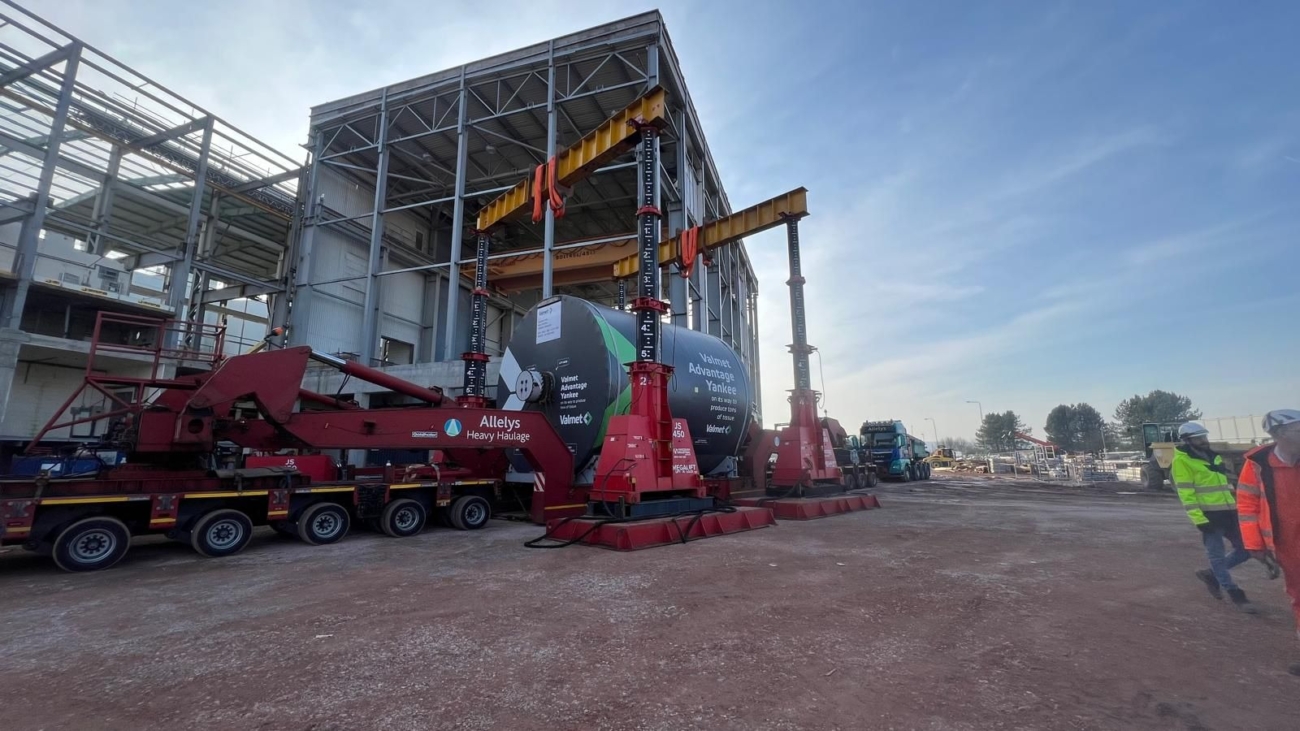
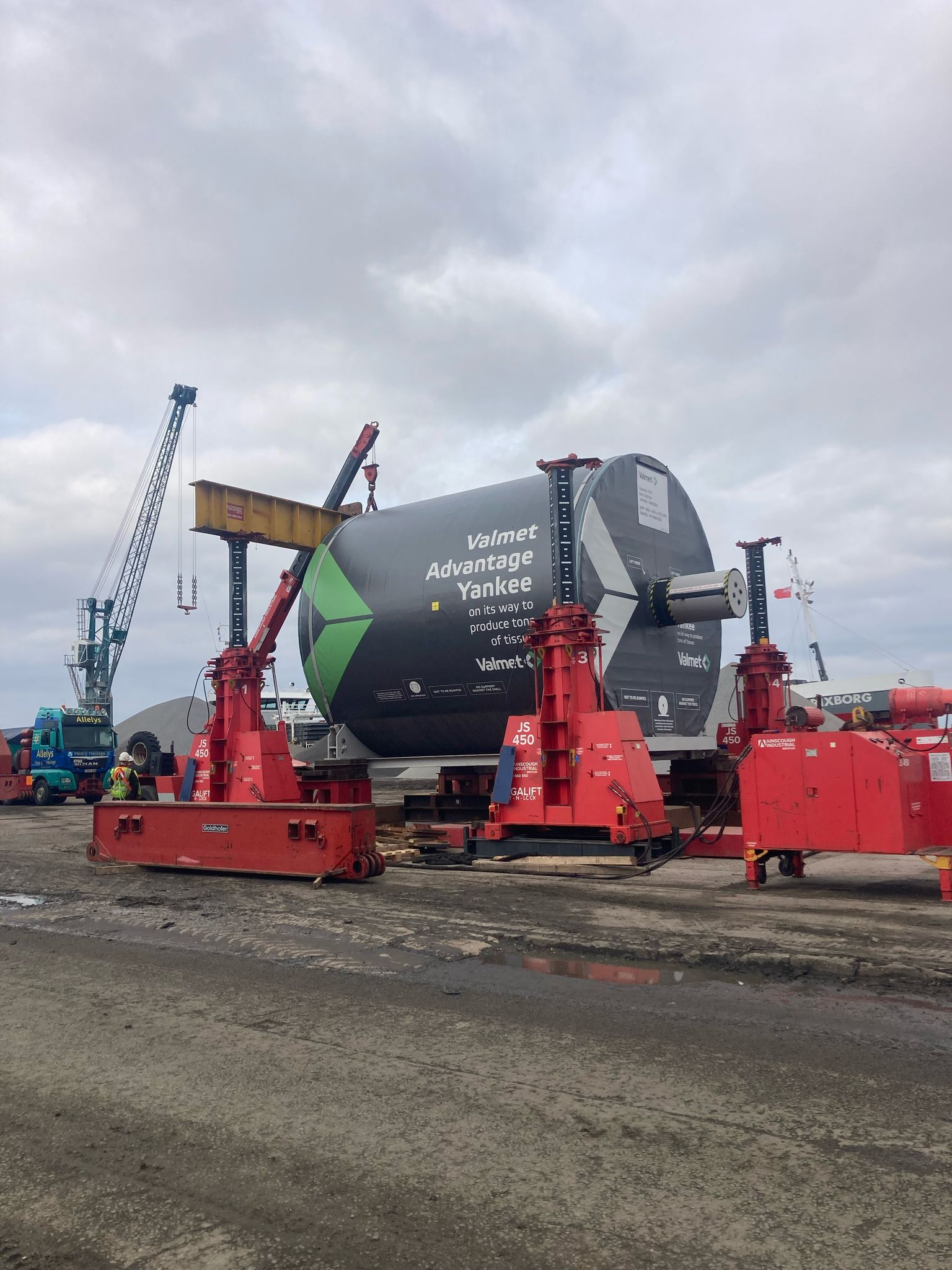
The project involved the specialist transport, unloading, and final positioning of a 147.6Te Yankee Dryer at Shotton Mill.

Due to the cargo dimensions and weight, the operation required detailed engineering planning, specialist lifting coordination, and controlled site delivery procedures to ensure the cargo could be transported and positioned safely.

The project also required careful coordination between transport operations, crane lifting procedures, and final cargo positioning at site.

The Solution

DC Global Freight coordinated the unloading operation, crane management, and final transport delivery to Shotton Mill using specialist heavy lift transport equipment.

A 16 axle girder frame trailer was utilised to safely transport the cargo while detailed engineering planning ensured the unloading and positioning operations could be completed efficiently and safely.

The operation involved close coordination between lifting teams, transport specialists, and site personnel throughout the delivery process.

IMG_3231

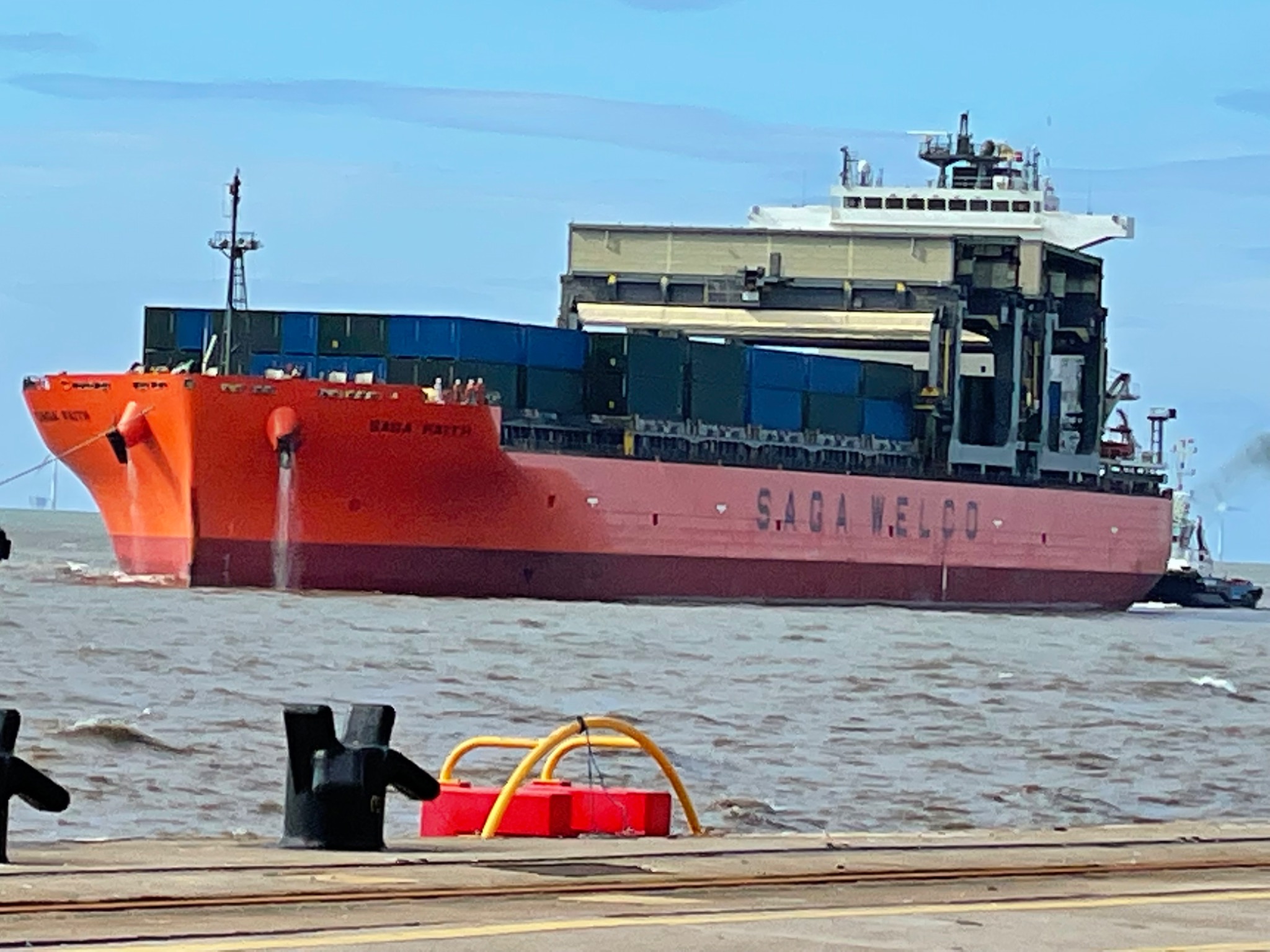
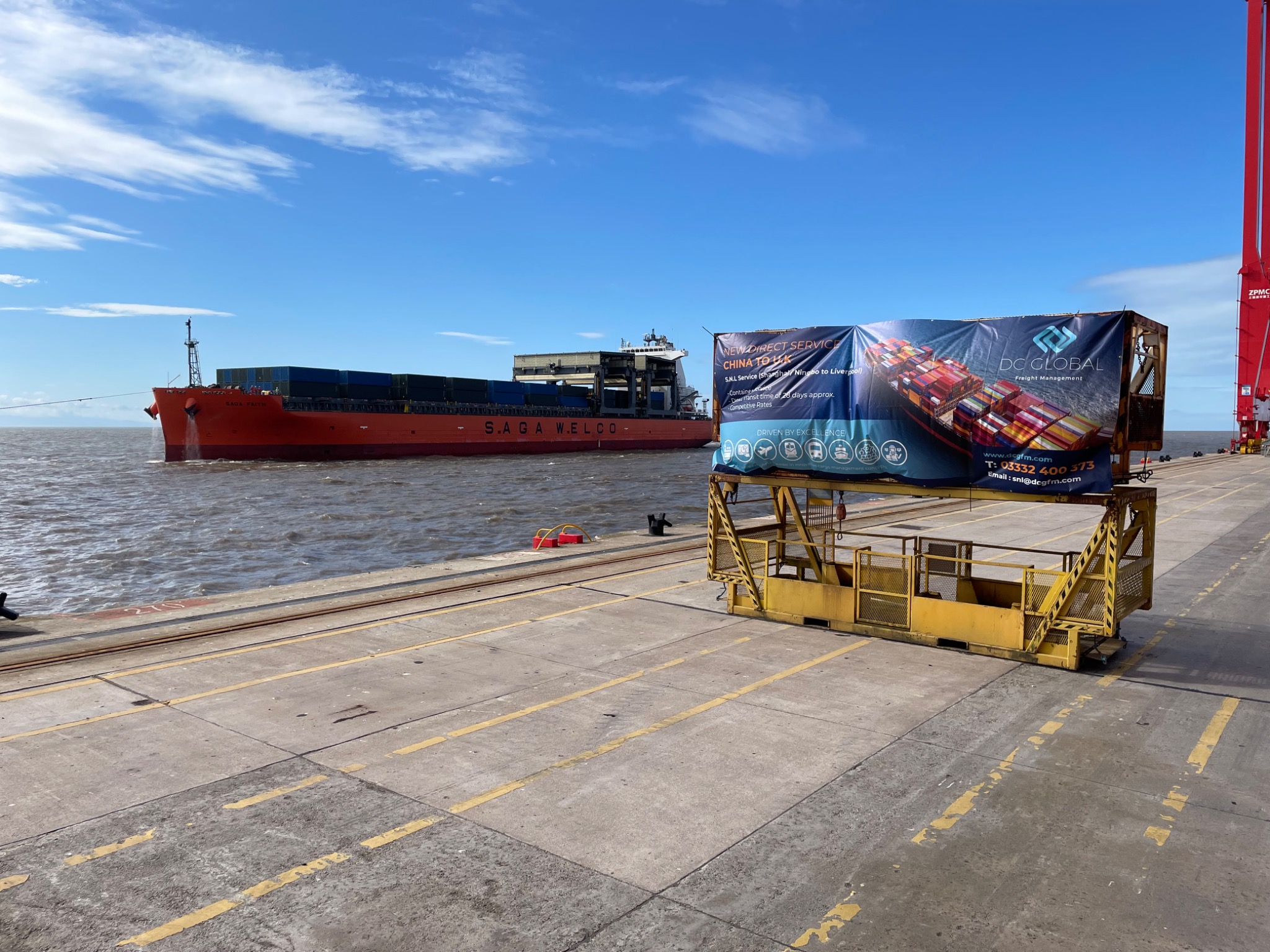
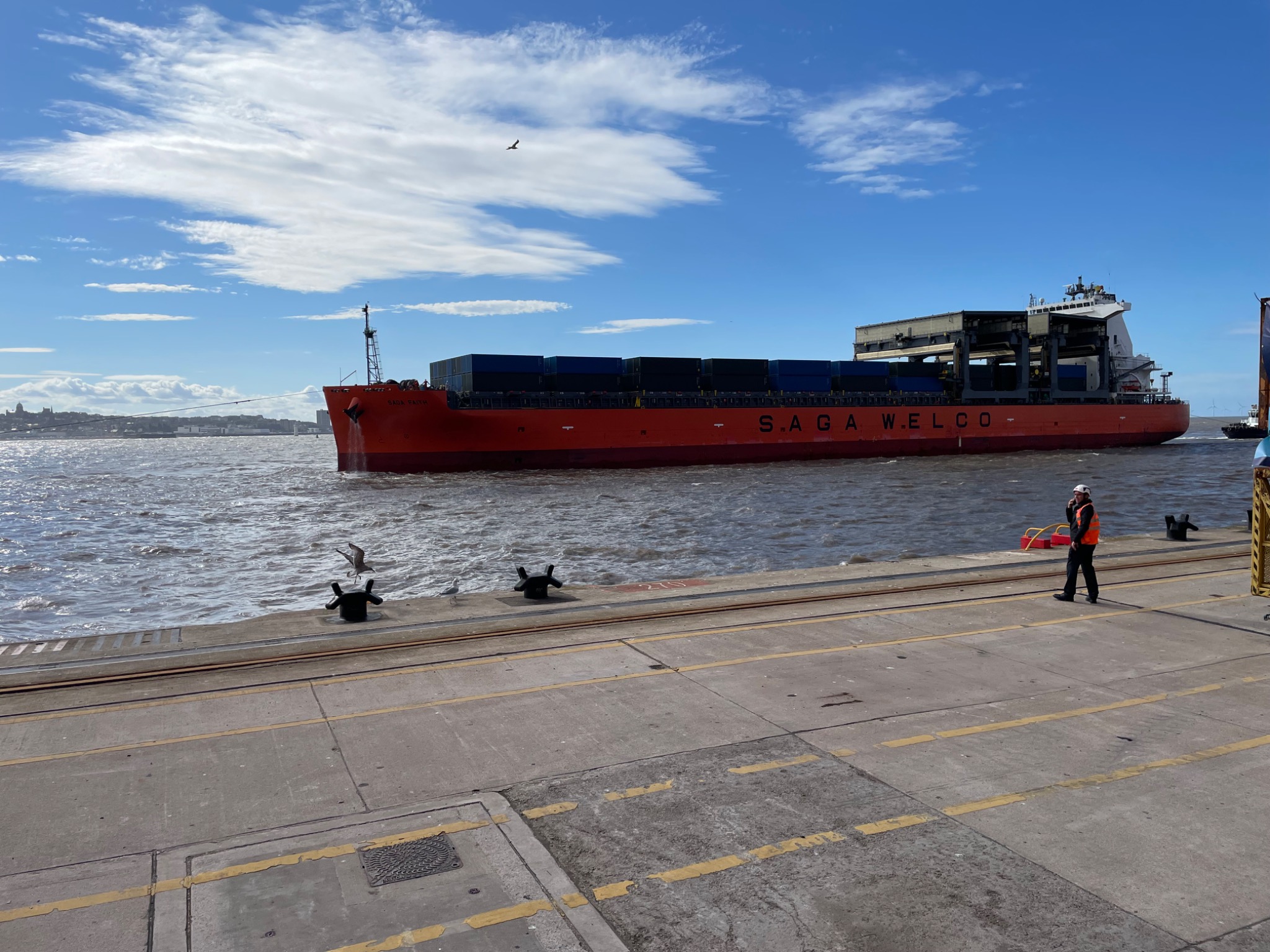
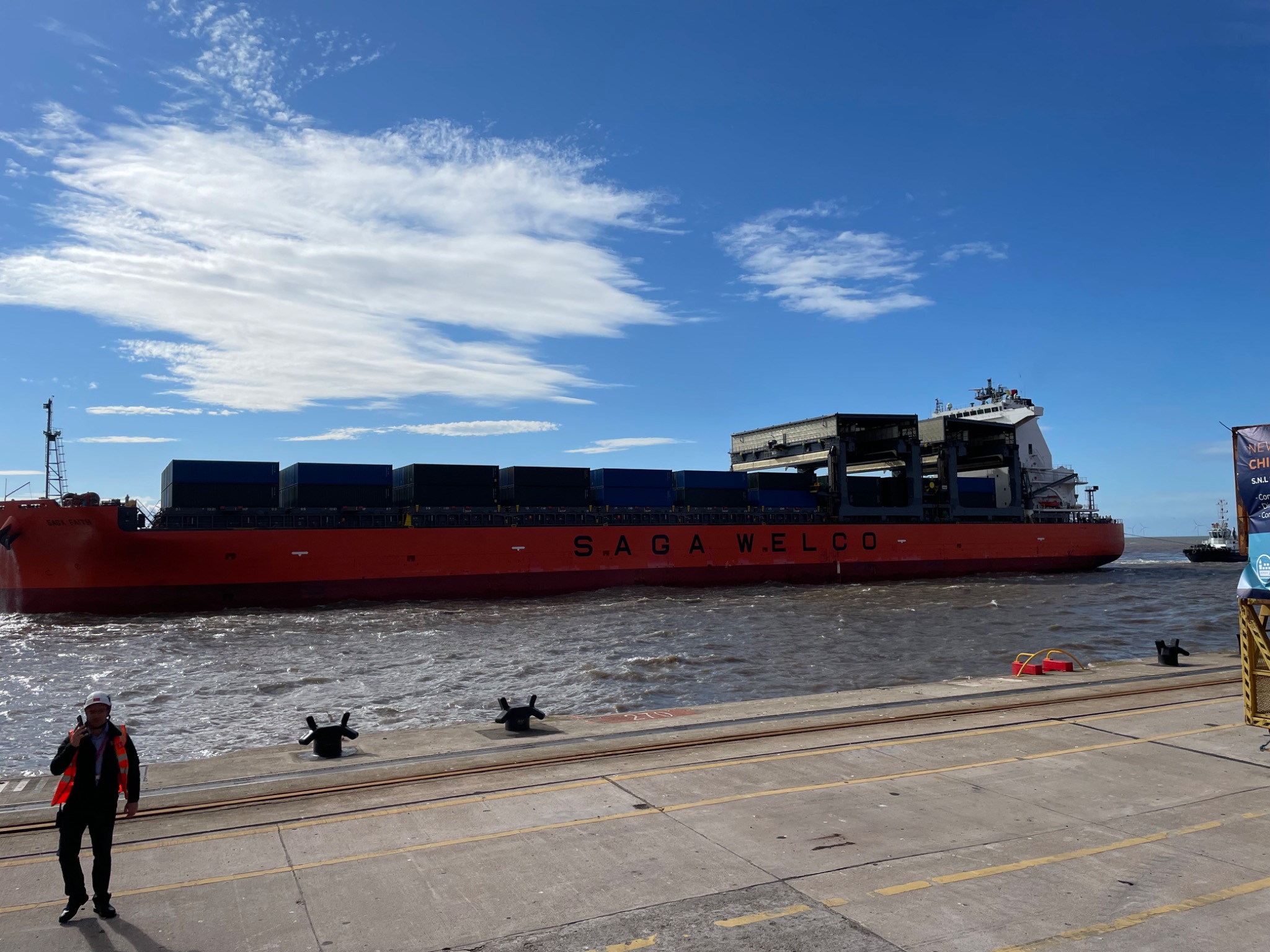
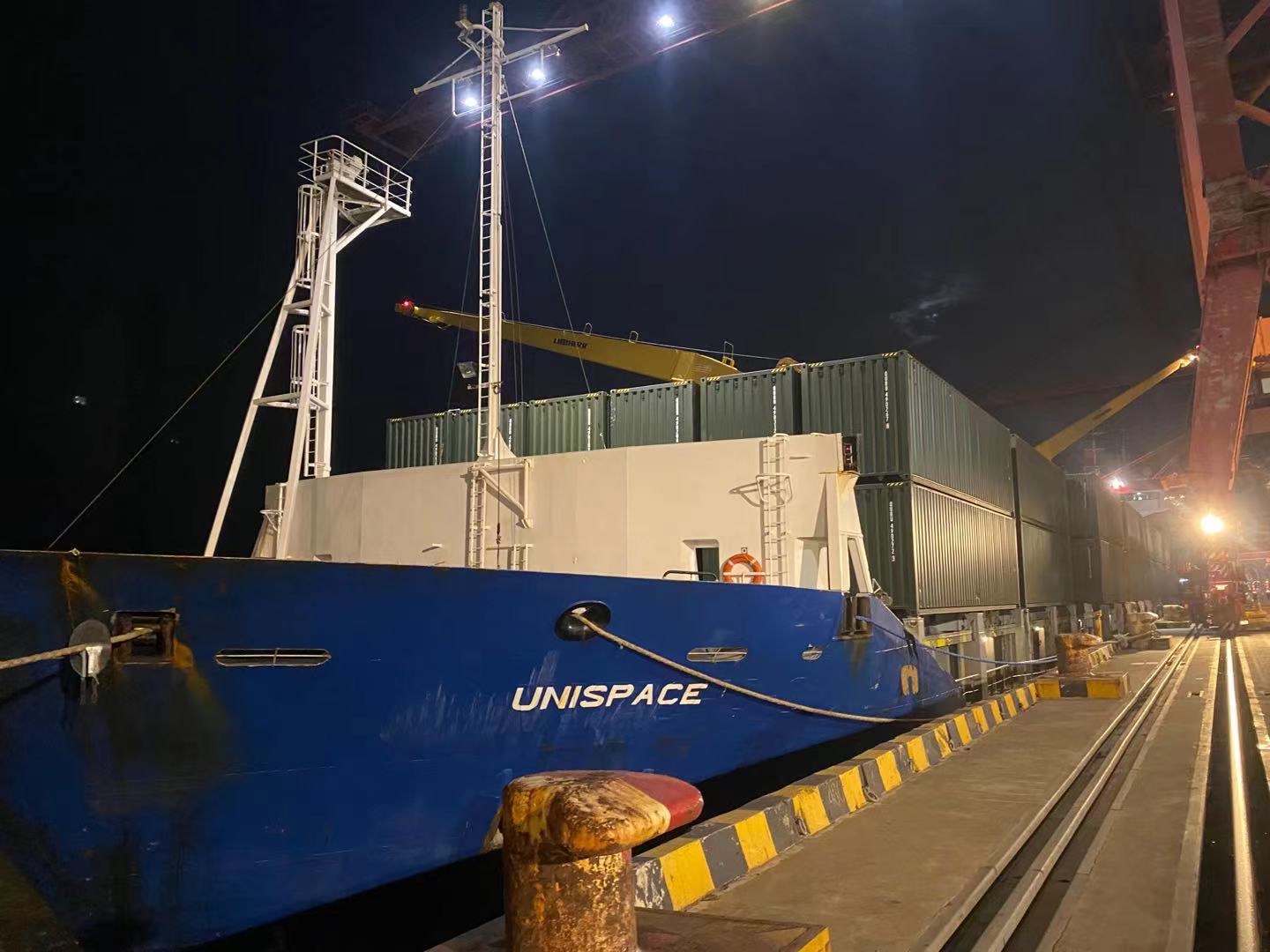
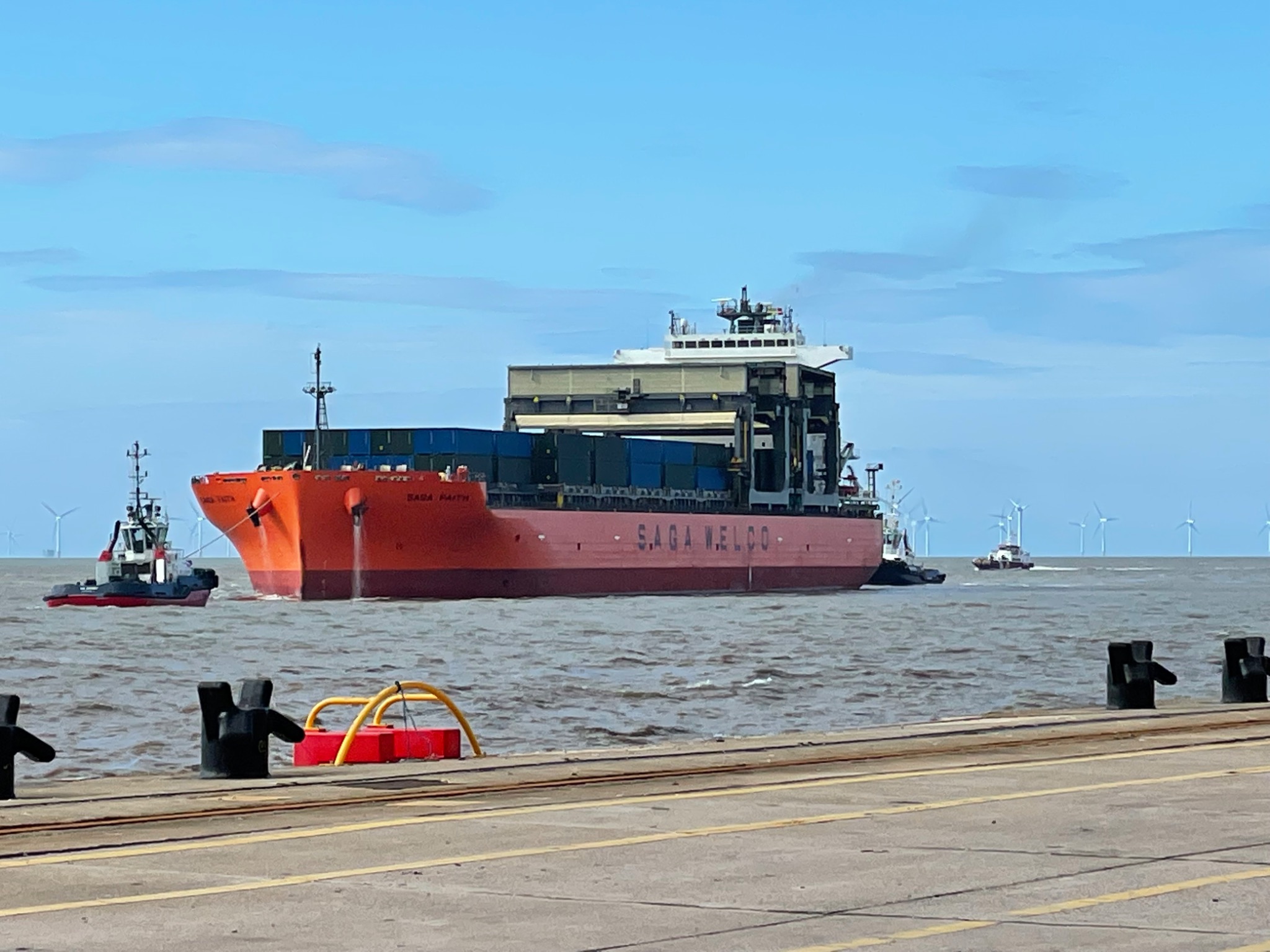
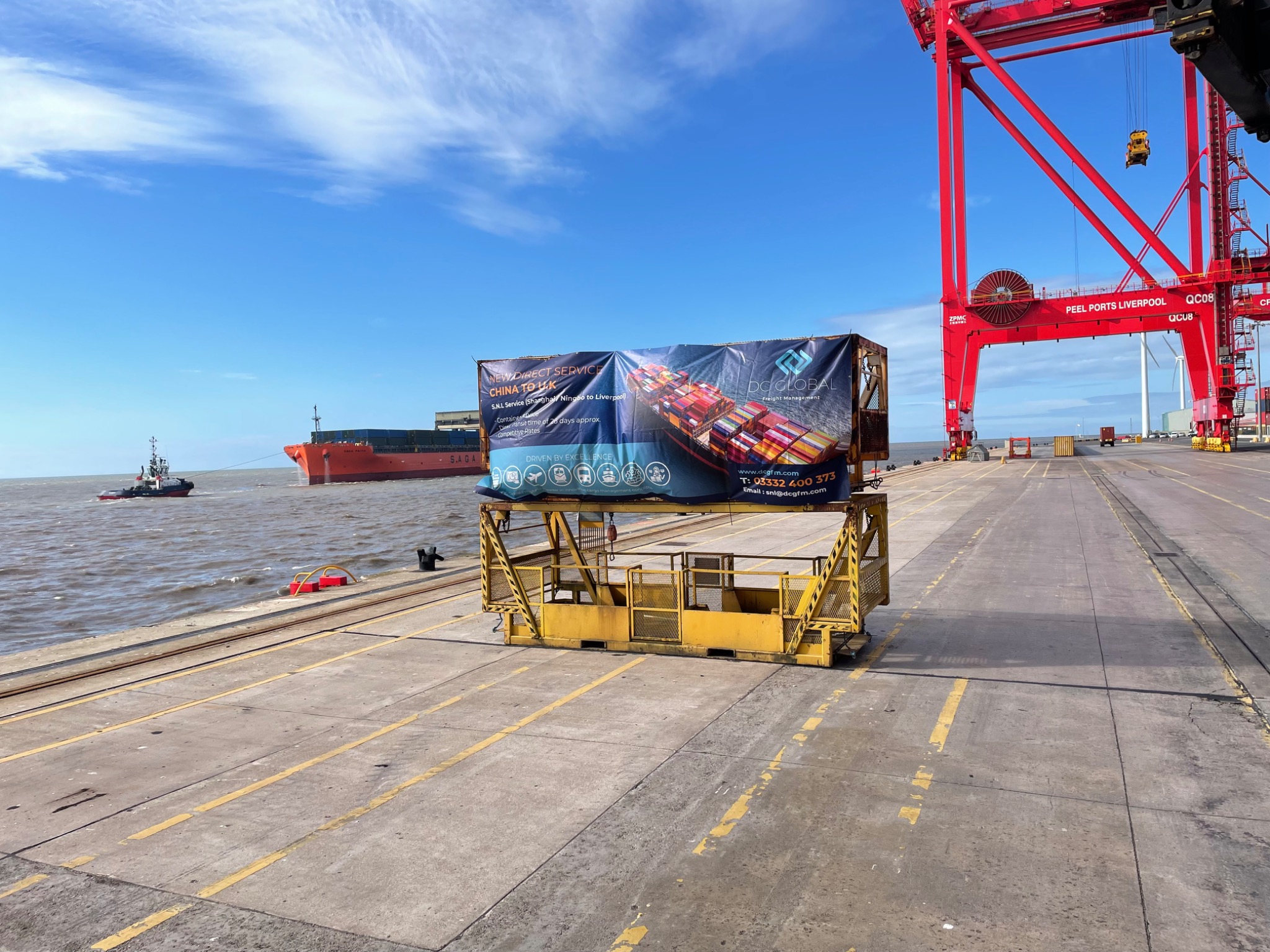
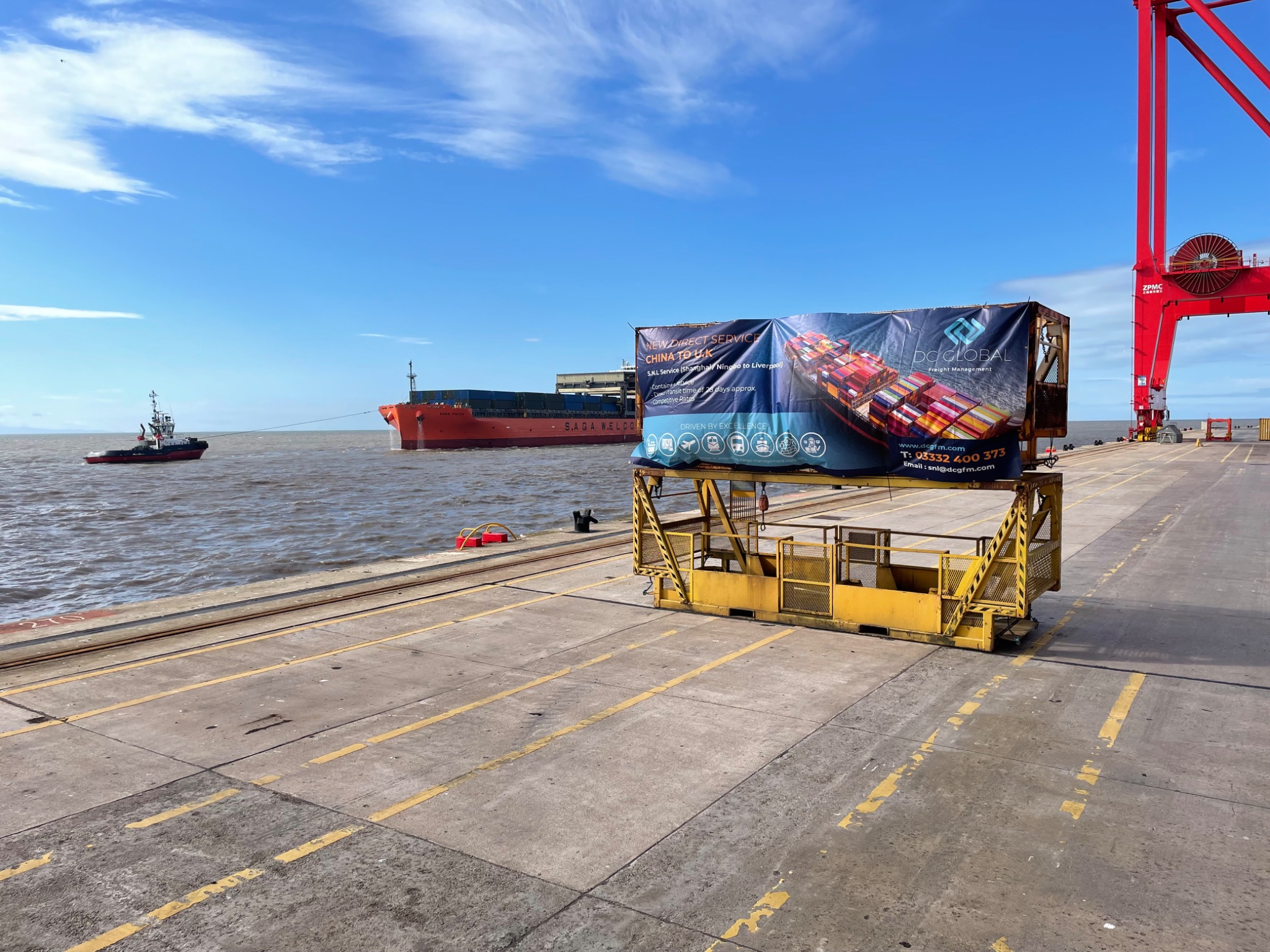
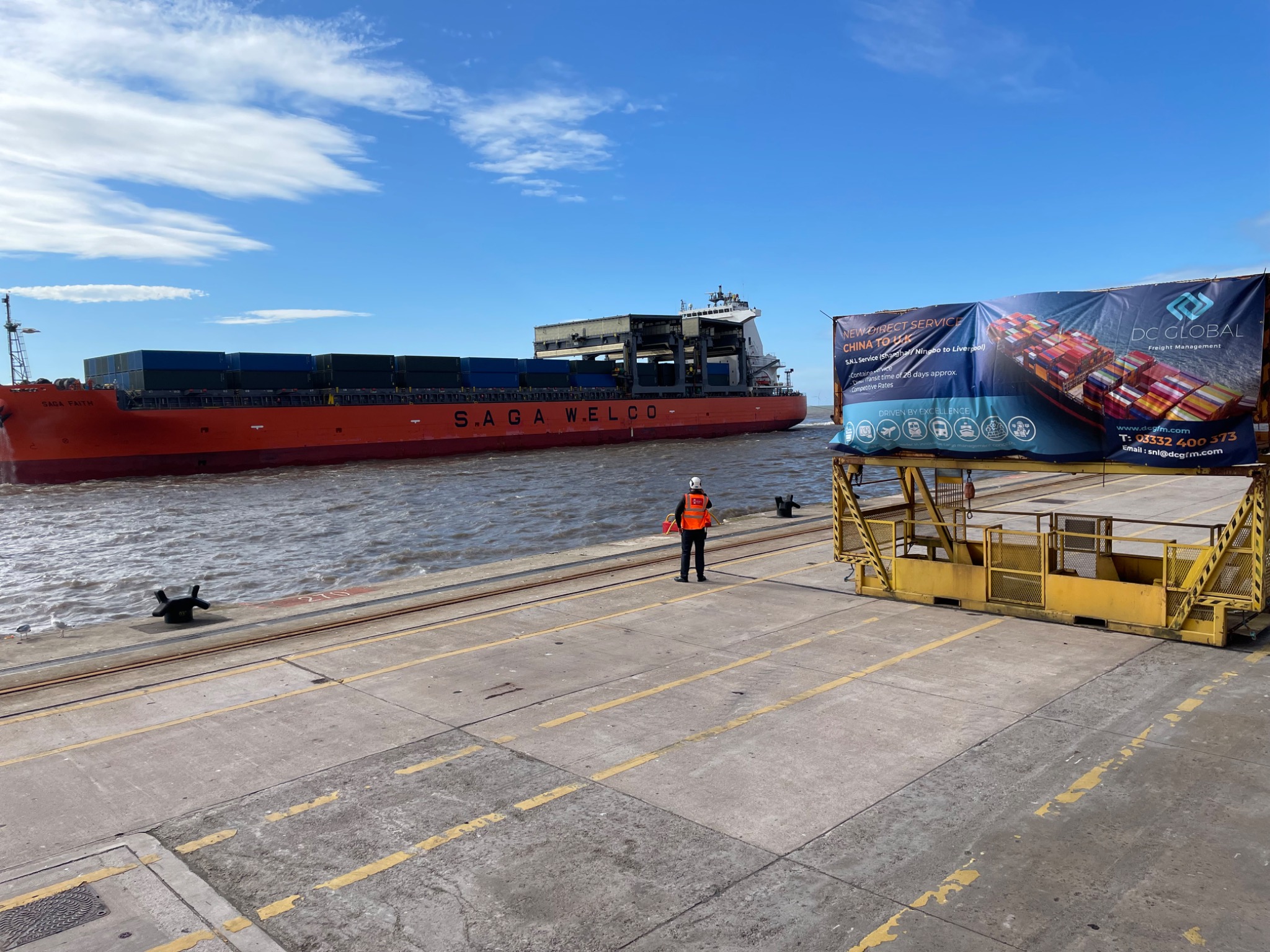
Covid Charter Vessel Operations – China to UK

Shipment Overview

Ports of Loading:
Ningbo & Shanghai

Ports of Discharge:
Liverpool & Teesport

Freight Modes:
Sea Freight | Road Freight | Rail Freight

Vessels:
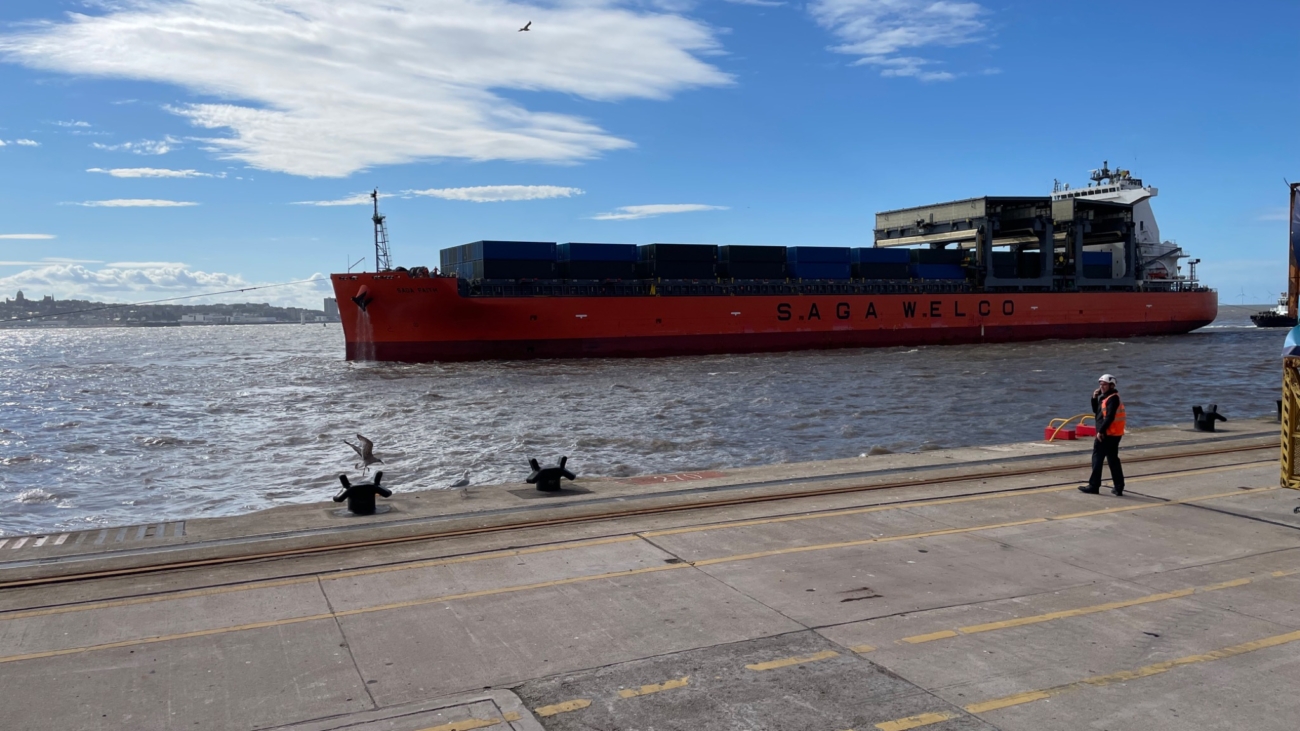
– Tasmanic Winter
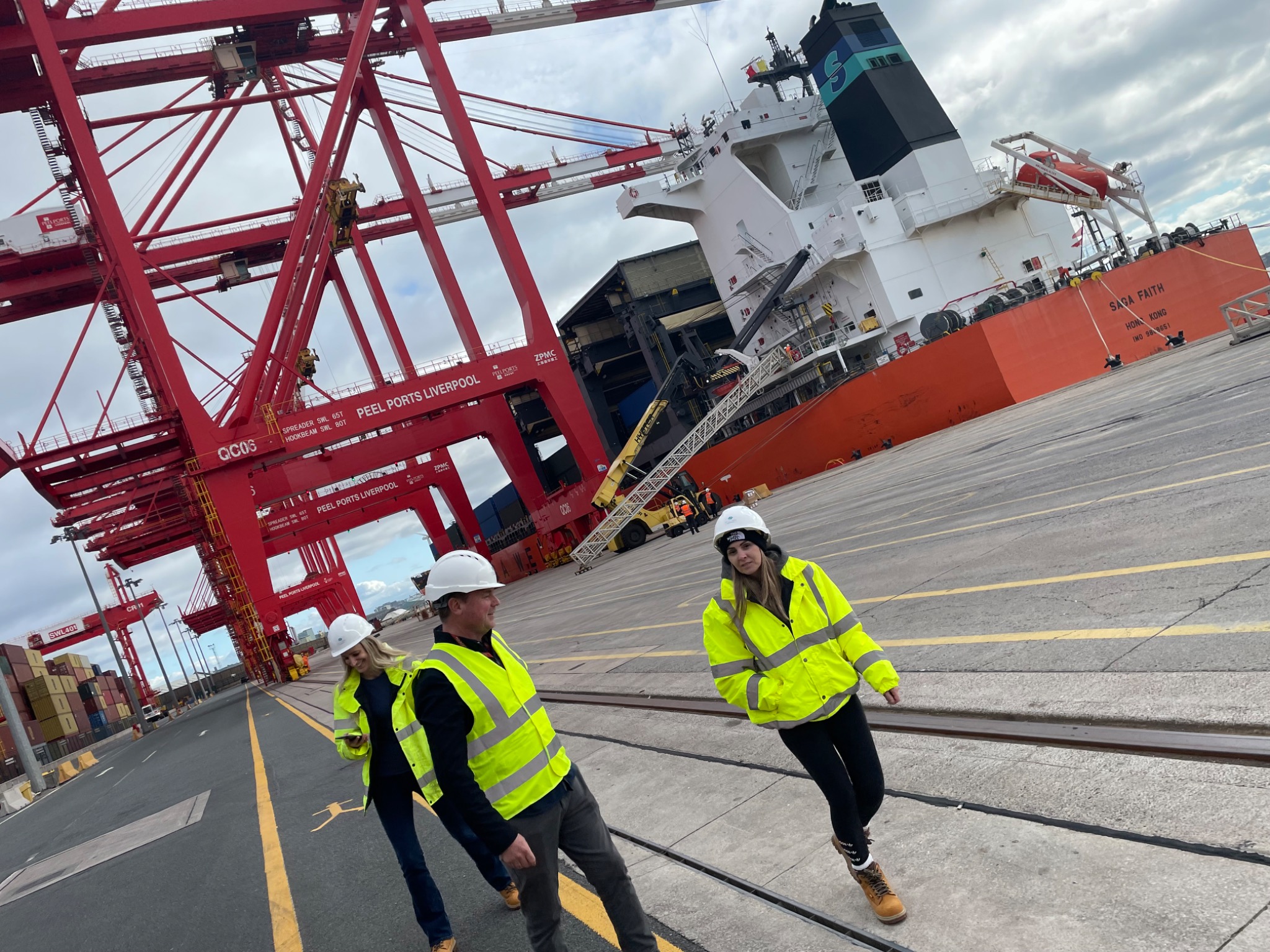
– Saga Faith
– Saga Flora
– BBC Ukraine
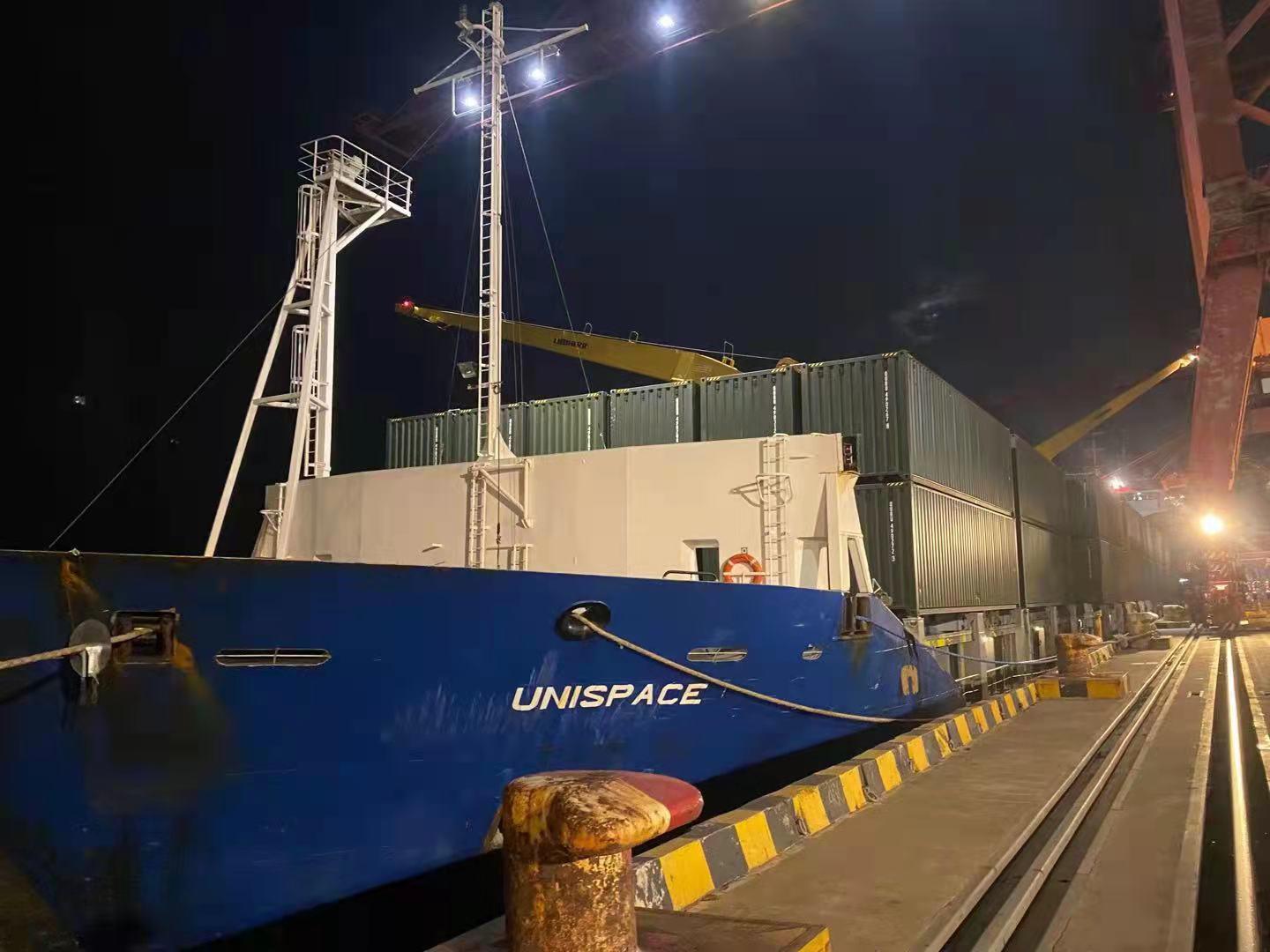
– UniSpace

Project Type:
Full charter vessel operations during the Covid shipping disruption period.

The Challenge

During the Covid pandemic, global shipping markets faced severe disruption including container shortages, port congestion, reduced vessel availability, and major delays across international supply chains.

Maintaining reliable cargo movement from China to the UK became increasingly difficult for importers relying on consistent freight capacity and predictable transit times.

The project required DC Global Freight to secure dedicated vessel space and coordinate large-scale cargo movement under extremely challenging global shipping conditions.

The Solution

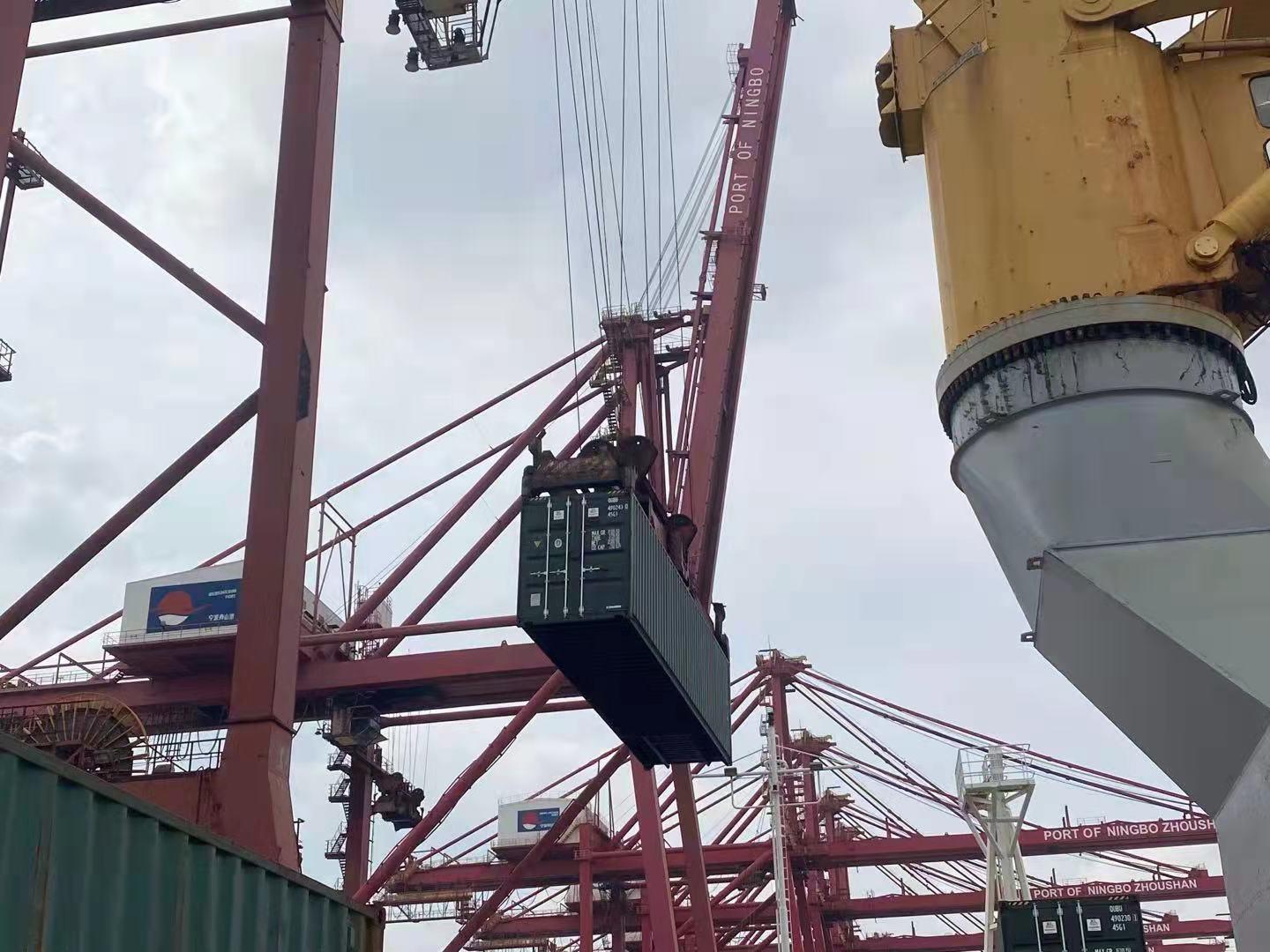
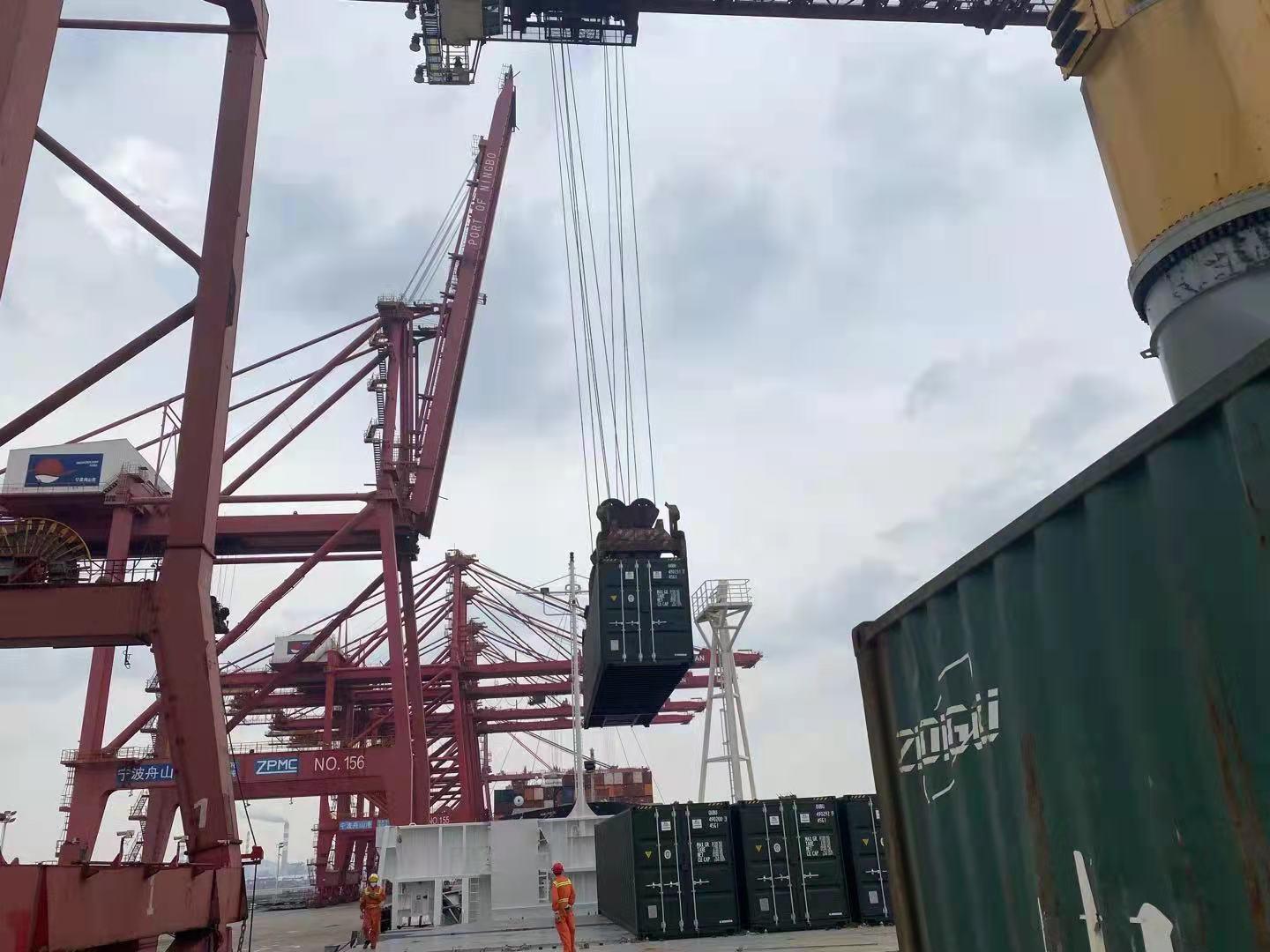
DC Global Freight coordinated the direct charter of five container vessels operating from Ningbo and Shanghai to Liverpool and Teesport.

By arranging full charter vessel operations, the shipments avoided additional port calls and significantly reduced transit complexity during a period of major global disruption.

The project also required coordinated UK transport planning using both road and rail freight solutions to ensure cargo distribution continued efficiently after discharge.

Execution

The operation involved:
– Direct vessel charter coordination
– International freight planning
– Multi-modal transport management
– UK road freight coordination
– Rail freight support
– Port discharge planning
– Ongoing shipment communication and visibility

Dedicated charter arrangements enabled faster and more reliable cargo movement compared to heavily congested standard shipping services operating during the Covid period.

The Outcome

DC Global Freight successfully managed full charter vessel operations carrying up to 5000 TEUs during one of the most challenging periods in modern global shipping.

The project provided:
– Faster transit times
– Reduced supply chain disruption
– Reliable cargo movement
– Improved shipment control
– Efficient UK distribution support

By securing dedicated vessel capacity and coordinating multi-modal delivery solutions, DC Global Freight helped maintain critical supply chain continuity for UK import operations during the Covid shipping crisis.

Key Project Facts

– Full charter operations of 5 vessels
– Up to 5000 TEUs carried
– Direct China to UK routing
– No additional port calls
– Multi-modal UK distribution
– Coordinated road and rail freight delivery

Recommended Website Tags

– Sea Freight
– Retail & Importers
– Global Logistics
– Covid Logistics
– Supply Chain Solutions
– Charter Vessels
– Multi-modal Freight

IMG-20240726-WA0049

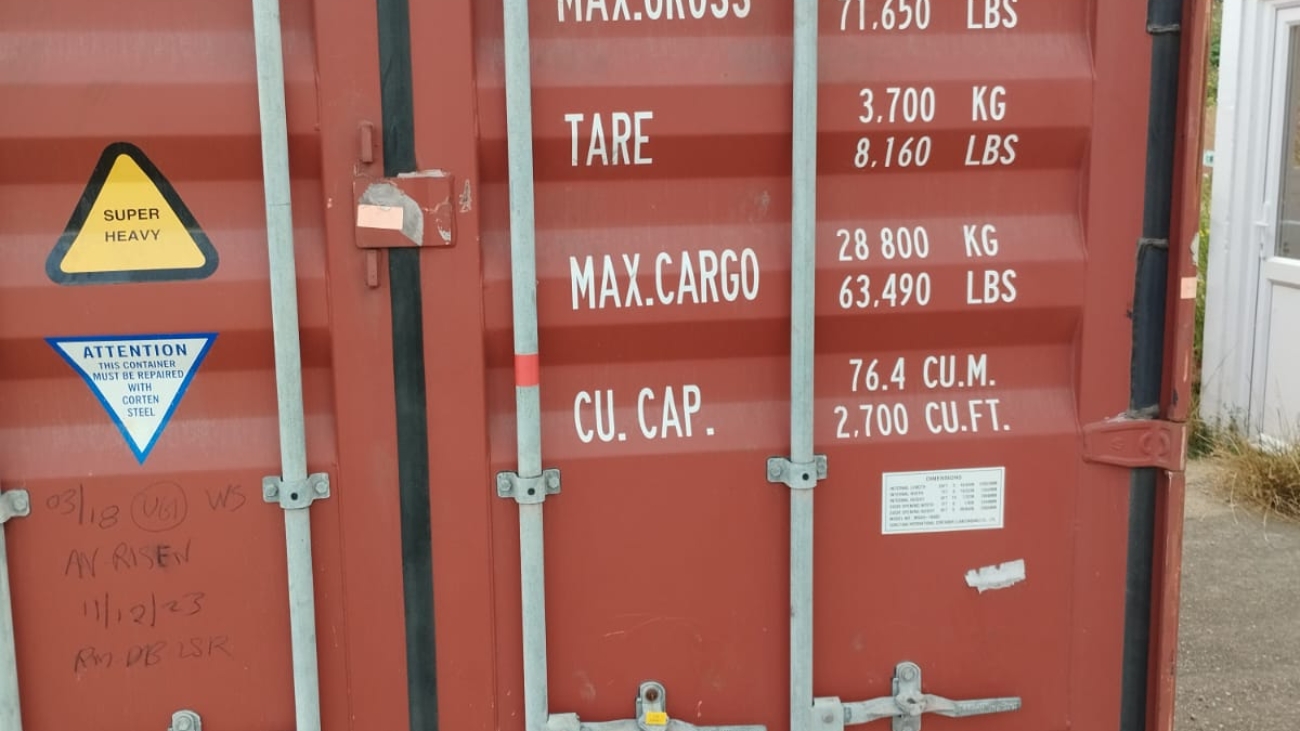
FCL vs LCL Shipping: Which Is Right for Your Cargo?

Choosing between Full Container Load (FCL) and Less than Container Load (LCL) is one of the most important decisions when planning an international shipment. The right choice affects cost, transit time, cargo security and overall supply chain efficiency.

At DC Global Freight, we help businesses evaluate each shipment individually. Rather than recommending the same solution every time, we consider cargo volume, destination, urgency and commercial priorities to identify the most practical shipping option.

What is FCL?

FCL (Full Container Load) means a customer books the exclusive use of an entire shipping container. Although the container may not always be completely full, it remains dedicated to a single shipment from origin to destination.

FCL is often the preferred option for larger consignments, higher-value goods or cargo requiring greater security and faster handling.

What is LCL?

LCL (Less than Container Load) allows several customers to share space within one container. Freight is consolidated at origin, shipped together and separated again at destination.

LCL is an excellent option for businesses shipping smaller consignments that do not justify the cost of a full container.

FCL vs LCL – Key Differences

FCL advantages:
• Exclusive use of the container
• Reduced handling
• Lower risk of cargo damage
• Often quicker overall transit

LCL advantages:
• Lower cost for smaller shipments
• No need to wait until enough cargo fills a container
• Flexible for regular exporters and importers with lower volumes

When Should You Choose FCL?

FCL is generally recommended when shipment volumes approach the capacity of a 20ft container, where cargo is high value, or where delivery schedules require greater control over transit times.

When Should You Choose LCL?

LCL is ideal for smaller shipments, trial orders, replacement parts or businesses importing and exporting lower volumes on a regular basis.

From Our Experience

Many customers initially focus only on freight rates. In practice, the most economical solution depends on the total landed cost, including packing, handling, storage, destination charges and delivery requirements. We always recommend evaluating the complete logistics chain rather than comparing ocean freight alone.

Lessons from the Field

There is no universal ‘best’ shipping method. A shipment that is ideal for LCL today may become more cost-effective as FCL once volumes increase. Reviewing shipping patterns regularly often reveals opportunities to reduce costs and improve efficiency.

How DC Global Freight Can Help

Our team provides tailored FCL and LCL solutions across global trade routes. We coordinate collection, export documentation, customs clearance, ocean freight and final delivery, ensuring every shipment is managed efficiently from origin to destination.

Frequently Asked Questions

Is FCL always faster than LCL?
Generally yes, as FCL avoids consolidation and deconsolidation processes.

Can I book part of a container?
Yes. This is exactly how LCL shipping works.

Is LCL suitable for fragile cargo?
Yes, provided it is packed correctly. Additional protective packaging may be recommended.

Can I change from LCL to FCL as my business grows?
Absolutely. Many businesses begin with LCL before moving to FCL as shipment volumes increase.

Internal Links

• Sea Freight
• Project Cargo
• Customs Clearance
• Shipping from the UK to South Africa
• Flat Rack vs Breakbulk

About DC Global Freight

DC Global Freight delivers tailored sea freight, air freight, project cargo and customs solutions for businesses trading worldwide. We work closely with customers to identify the most efficient transport option for every shipment.

DSCN9526 copy

How to Ship Out-of-Gauge (OOG) Cargo: A Practical Guide

Out-of-Gauge (OOG) cargo is freight that exceeds the dimensions of a standard shipping container. It may be wider, longer, taller or heavier than standard container limits and therefore requires specialist equipment, planning and handling.

At DC Global Freight, we understand that every OOG shipment is different. Moving industrial machinery, generators, steel fabrications or offshore equipment requires careful preparation long before the cargo reaches the port. Successful movements rely on accurate planning, experienced project coordination and clear communication between every party involved.

What is Out-of-Gauge Cargo?

Cargo is considered out-of-gauge when it cannot fit within the internal dimensions of a conventional 20ft or 40ft container. Depending on its dimensions, it may travel on a flat rack, in an open top container or as breakbulk cargo.

Typical examples include:
• Industrial machinery
• Generators
• Process vessels
• Offshore equipment
• Construction machinery
• Large fabrications
• Tanks and pressure vessels

Planning an OOG Shipment

Every shipment begins with obtaining accurate cargo dimensions and weight. We also review lifting points, centre of gravity, packaging, transport restrictions and destination requirements.

Planning normally includes:
• Equipment selection
• Road transport assessment
• Route surveys where required
• Port handling arrangements
• Lifting plans
• Customs documentation
• Vessel selection
• Delivery planning

Choosing the Right Equipment

Flat rack containers are often the preferred solution for cargo that exceeds the width or height of a standard container. Open top containers can be suitable where cargo exceeds height limitations but remains within width restrictions.

Where cargo is exceptionally large or heavy, breakbulk shipping or charter vessels may provide the safest and most economical solution.

From Our Experience

One of the most common causes of delay is discovering transport restrictions after collection has been arranged. Confirming bridge clearances, escort requirements, crane availability and port capabilities during the planning stage reduces both cost and project risk.

Securing the Cargo

Correct lashing and securing are essential. Every cargo item should be secured in accordance with recognised industry practices, taking account of weight distribution, lifting points and forces experienced during road and sea transport. Proper cargo protection also helps prevent weather damage and corrosion during transit.

Lessons from the Field

The sea voyage is rarely the greatest challenge. More often, the success of an OOG shipment depends on the planning completed before the cargo leaves the supplier. Time invested in preparation almost always saves time later in the project.

Why Choose DC Global Freight

Our team supports customers moving oversized and specialist cargo across global supply chains. We coordinate collection, specialist haulage, port operations, sea freight, customs clearance and final delivery, providing a single point of contact throughout the movement.

Frequently Asked Questions

What does OOG mean?
Out-of-Gauge refers to cargo that exceeds the dimensions of a standard shipping container.

Can OOG cargo travel on normal container vessels?
Yes. Many OOG shipments move on scheduled liner services using flat rack or open top equipment.

Does every shipment require a route survey?
Not always. Surveys are recommended where cargo dimensions or local restrictions create additional transport challenges.

When should I contact a freight forwarder?
As early as possible, ideally before packing or transport arrangements have been made.

Internal Links

• Project Cargo
• Sea Freight
• Customs Clearance
• Flat Rack vs Breakbulk
• Shipping from the UK to South Africa

About DC Global Freight

DC Global Freight specialises in project cargo, out-of-gauge freight, heavy lift logistics, sea freight, air freight and multimodal transport. We work with manufacturers, engineering companies, EPC contractors and industrial clients to deliver tailored freight solutions worldwide.


Planning an out-of-gauge shipment? Contact DC Global Freight to discuss your cargo dimensions, destination and project requirements. Our experienced team will recommend the safest and most efficient transport solution for your shipment.
pro-e7elEyIA

What Is Project Cargo? A Practical Guide for UK Importers and Exporters


Project cargo is far more than moving oversized freight. It is the careful planning, coordination and execution of complex shipments where every stage of the journey must be engineered before the cargo leaves the supplier.

At DC Global Freight, we have supported customers moving generators, offshore equipment, hydraulic power units, steel fabrications and other industrial cargo requiring specialist handling. Every shipment is different, but success always depends on planning, communication and practical experience.

What Is Project Cargo?

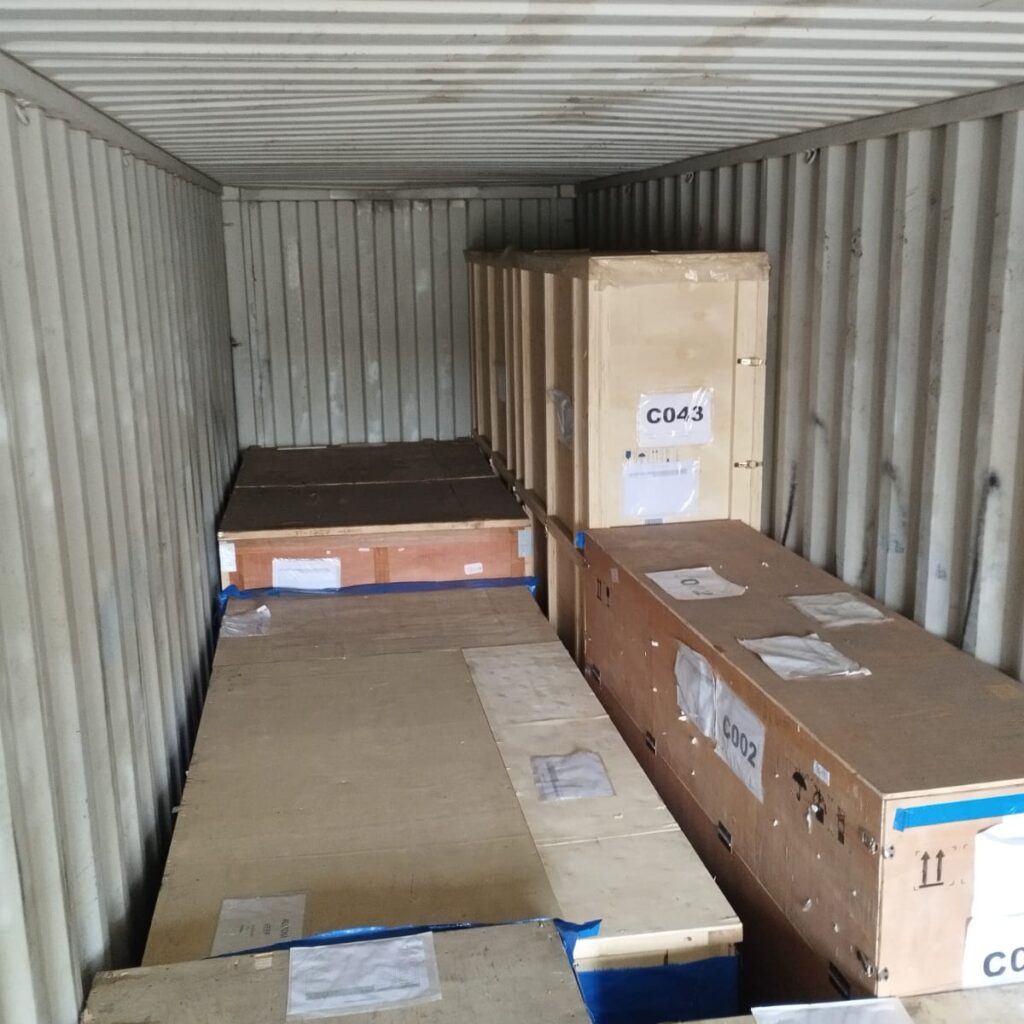
Project cargo describes the transportation of heavy, oversized, high-value or technically complex equipment that cannot be handled as routine freight. Unlike standard container shipments, project cargo often requires bespoke transport planning, specialist lifting equipment, route surveys and close coordination between hauliers, ports, shipping lines and final delivery teams.

From Our Experience

Many people assume the ocean voyage is the difficult part. In reality, most project risks occur before the cargo reaches the port. Bridge restrictions, lifting arrangements, road permits, terminal capabilities and delivery site access all need resolving early. That is where experienced project planning adds real value.

Typical Cargo

• Generators and power equipment
• Pressure vessels and process plant
• Offshore equipment and hose baskets
• Hydraulic power units
• Steel fabrications
• Construction and mining machinery

How DC Global Freight Plans a Project

Every project begins by understanding the cargo—not just its dimensions and weight, but how it can be safely lifted, secured and transported. Depending on the cargo, we may recommend flat racks, open tops, breakbulk services, MAFI trailers, heavy-lift vessels or charter solutions. The objective is always the safest and most practical logistics solution.

Lessons from the Field

One lesson repeated across industrial projects is that assumptions create delays. Cargo may fit on a trailer, but bridge heights, turning circles, escort requirements or crane capacity can completely change the transport plan. Identifying those issues early protects project schedules.

Why Experience Matters

Project cargo combines engineering, logistics and commercial decision-making. Working with an experienced project logistics partner reduces risk through detailed planning and proactive communication.

How DC Global Freight Can Help

DC Global Freight provides project cargo management, out-of-gauge shipments, heavy lift coordination, breakbulk freight, charter vessel solutions, multimodal transport, customs clearance and end-to-end logistics management.
Frequently Asked Questions

What qualifies as project cargo?
Any shipment requiring specialist planning because of its size, weight, value or complexity.

Is project cargo always oversized?
No. High-value or technically sensitive equipment may also require project management.
Do all projects need charter vessels?
No. Many shipments move successfully using flat racks or breakbulk services.
When should a freight forwarder become involved?
Ideally during the planning stage before transport decisions have been made.

About DC Global Freight

DC Global Freight specialises in project cargo, heavy lift, out-of-gauge freight, sea freight, air freight and multimodal logistics, supporting manufacturers, EPC contractors, energy companies and industrial clients worldwide.


Planning a complex shipment? Speak to the DC Global Freight project team to discuss your cargo, technical requirements and delivery schedule. We’ll help build the right logistics solution from the outset.