Choosing between Full Container Load (FCL) and Less than Container Load (LCL) is one of the most important decisions when planning an international shipment. The right choice affects cost, transit time, cargo security and overall supply chain efficiency.
At DC Global Freight, we help businesses evaluate each shipment individually. Rather than recommending the same solution every time, we consider cargo volume, destination, urgency and commercial priorities to identify the most practical shipping option.
What is FCL?
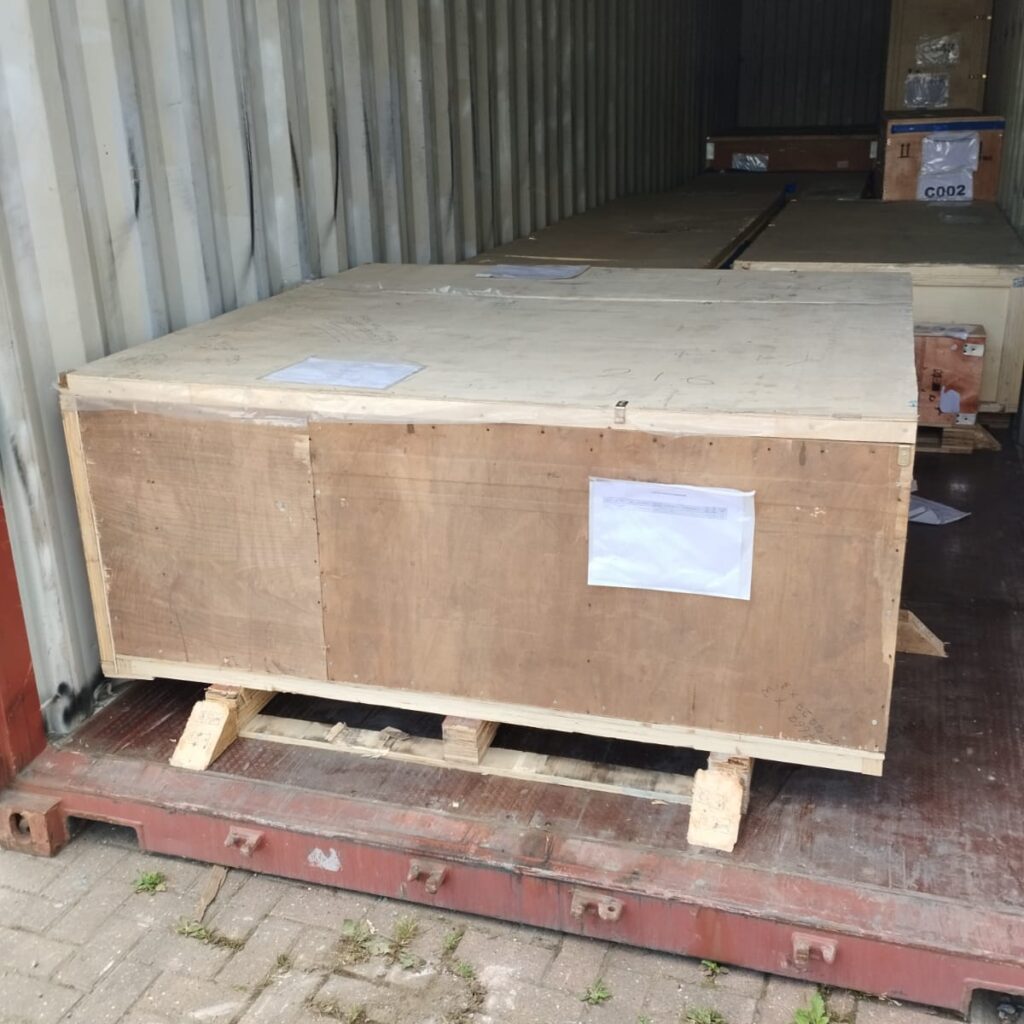
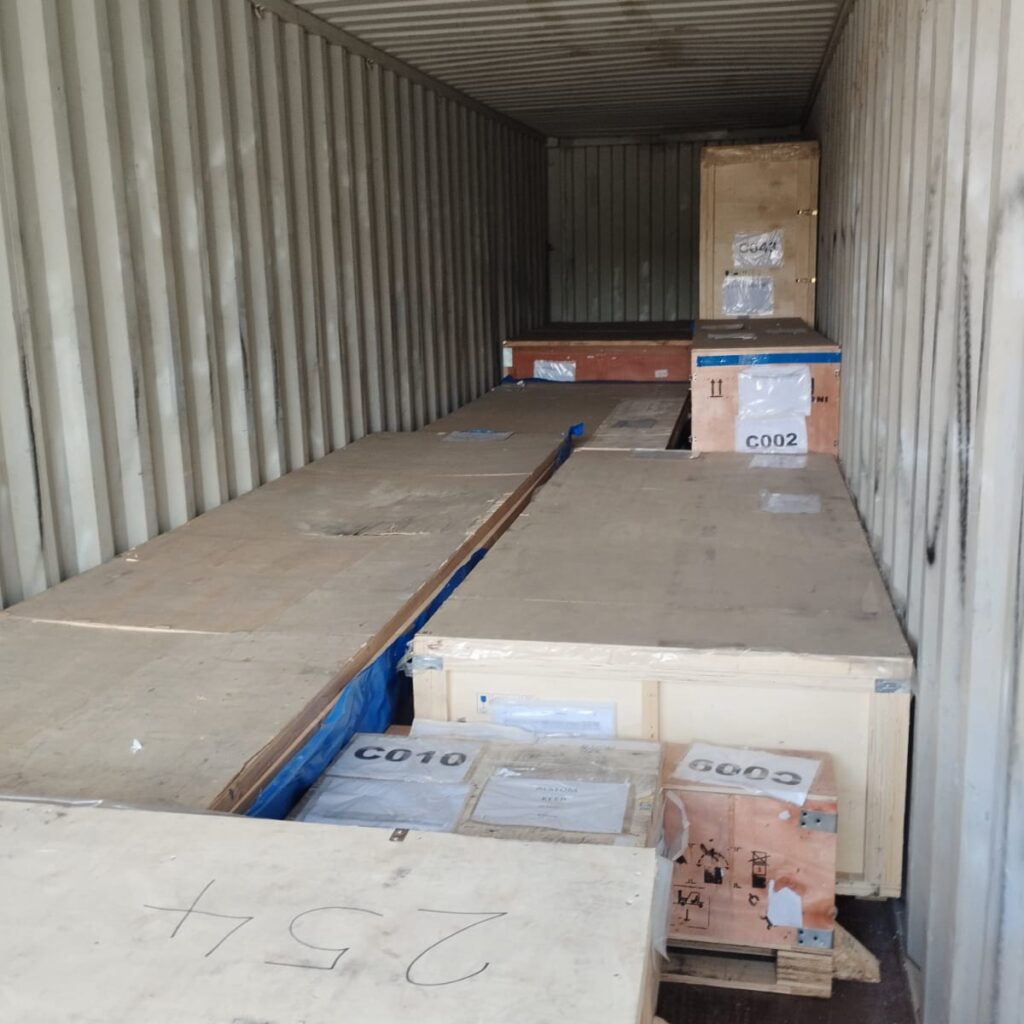
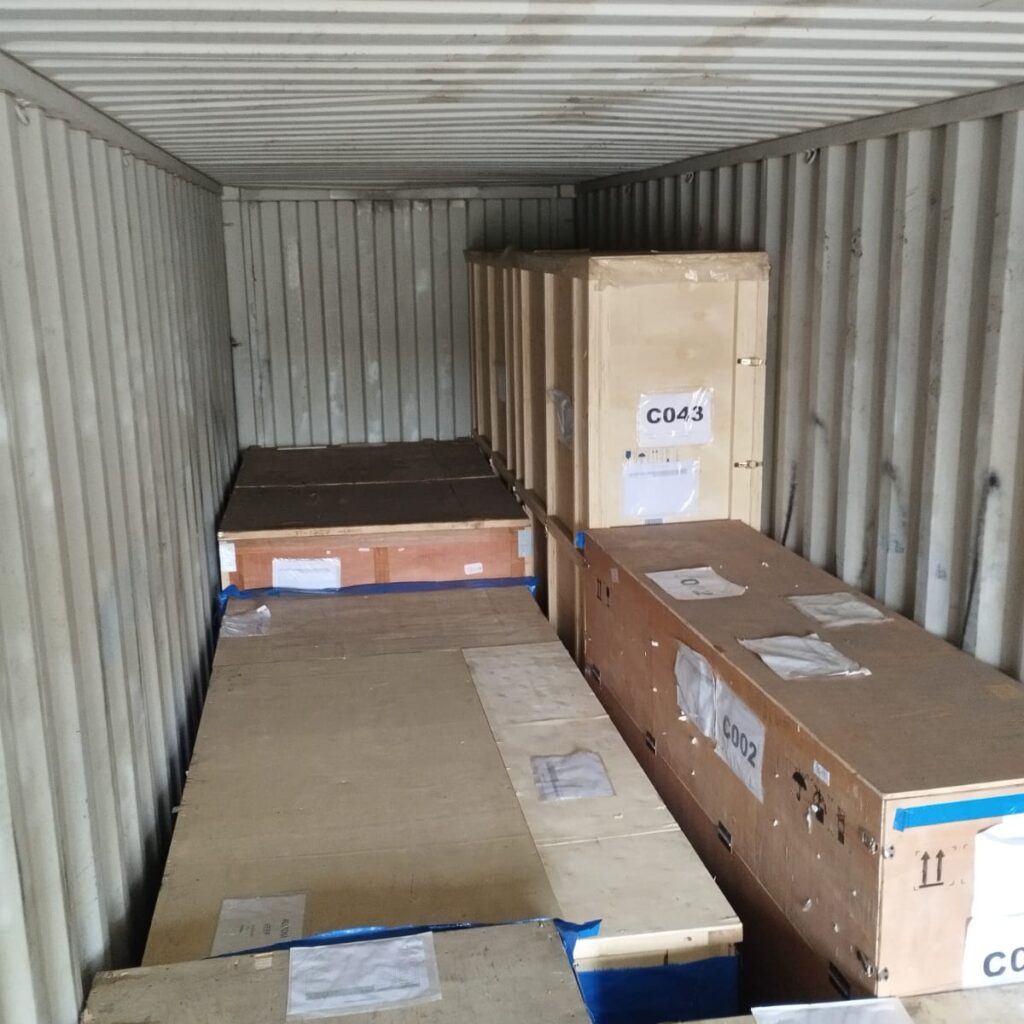
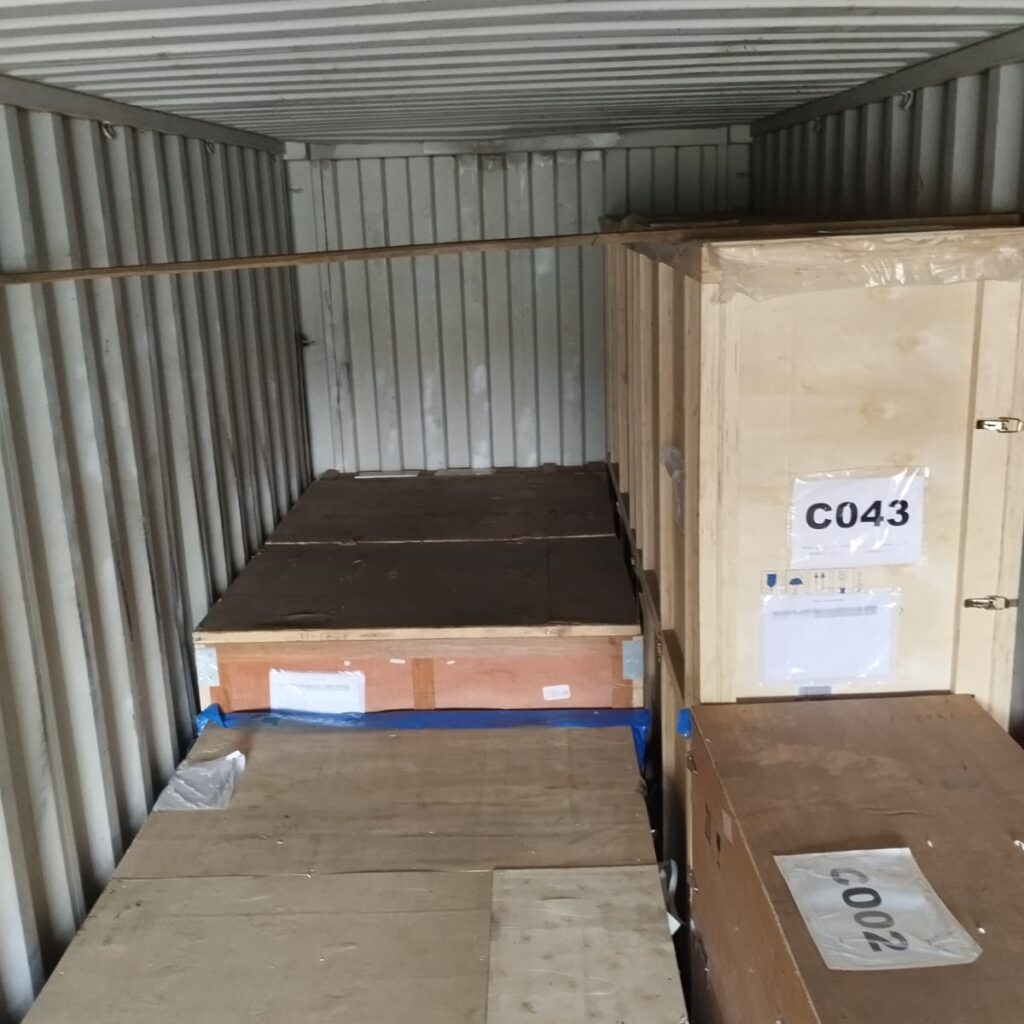
FCL (Full Container Load) means a customer books the exclusive use of an entire shipping container. Although the container may not always be completely full, it remains dedicated to a single shipment from origin to destination.
FCL is often the preferred option for larger consignments, higher-value goods or cargo requiring greater security and faster handling.
What is LCL?
LCL (Less than Container Load) allows several customers to share space within one container. Freight is consolidated at origin, shipped together and separated again at destination.
LCL is an excellent option for businesses shipping smaller consignments that do not justify the cost of a full container.
FCL vs LCL – Key Differences
FCL advantages:
• Exclusive use of the container
• Reduced handling
• Lower risk of cargo damage
• Often quicker overall transit
LCL advantages:
• Lower cost for smaller shipments
• No need to wait until enough cargo fills a container
• Flexible for regular exporters and importers with lower volumes
When Should You Choose FCL?
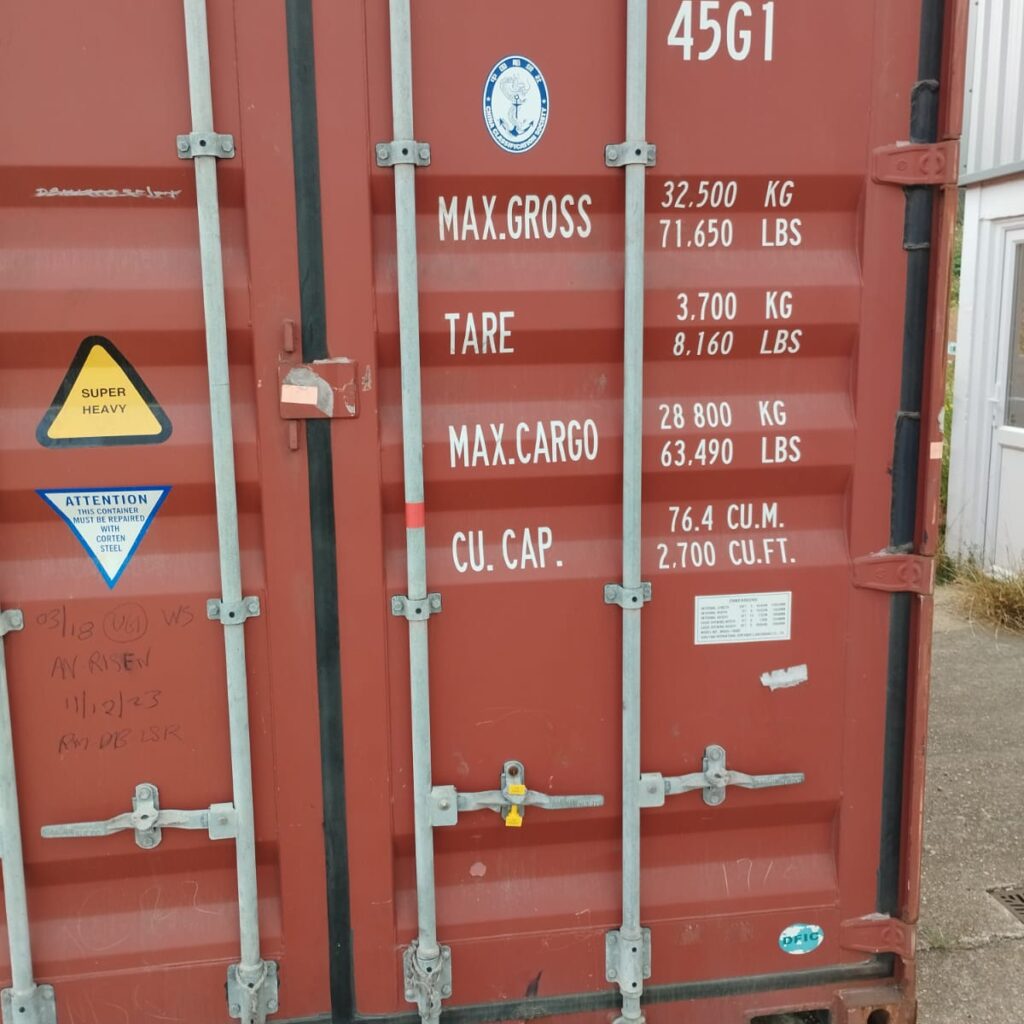
FCL is generally recommended when shipment volumes approach the capacity of a 20ft container, where cargo is high value, or where delivery schedules require greater control over transit times.
When Should You Choose LCL?
LCL is ideal for smaller shipments, trial orders, replacement parts or businesses importing and exporting lower volumes on a regular basis.
From Our Experience
Many customers initially focus only on freight rates. In practice, the most economical solution depends on the total landed cost, including packing, handling, storage, destination charges and delivery requirements. We always recommend evaluating the complete logistics chain rather than comparing ocean freight alone.
Lessons from the Field
There is no universal ‘best’ shipping method. A shipment that is ideal for LCL today may become more cost-effective as FCL once volumes increase. Reviewing shipping patterns regularly often reveals opportunities to reduce costs and improve efficiency.
How DC Global Freight Can Help
Our team provides tailored FCL and LCL solutions across global trade routes. We coordinate collection, export documentation, customs clearance, ocean freight and final delivery, ensuring every shipment is managed efficiently from origin to destination.
Frequently Asked Questions
Is FCL always faster than LCL?
Generally yes, as FCL avoids consolidation and deconsolidation processes.
Can I book part of a container?
Yes. This is exactly how LCL shipping works.
Is LCL suitable for fragile cargo?
Yes, provided it is packed correctly. Additional protective packaging may be recommended.
Can I change from LCL to FCL as my business grows?
Absolutely. Many businesses begin with LCL before moving to FCL as shipment volumes increase.
Internal Links
• Sea Freight
• Project Cargo
• Customs Clearance
• Shipping from the UK to South Africa
• Flat Rack vs Breakbulk
About DC Global Freight
DC Global Freight delivers tailored sea freight, air freight, project cargo and customs solutions for businesses trading worldwide. We work closely with customers to identify the most efficient transport option for every shipment.